38 Classic Side Part Haircuts for Men That Never Go Out of Style
Introduction
The classic side part is one of the few men's haircuts that has never really left fashion. From old Hollywood leading men to today's boardrooms and barbershops, a clean parting, a neat top and tidy sides instantly make a man look polished, confident and put together. It works because it is simple, structured and endlessly adaptable, whether your hair is straight, wavy, curly, thick or fine.
In this guide you will find 38 classic side part haircuts for men, covering every variation worth knowing: tapers, low, mid and high fades, hard parts, comb overs, pompadours, textured finishes, grey and salt-and-pepper styles, and looks for work, weddings and weekends. Each style includes practical styling advice, face-shape guidance and maintenance tips, so you can show your barber exactly what to ask for and keep the cut looking sharp at home.
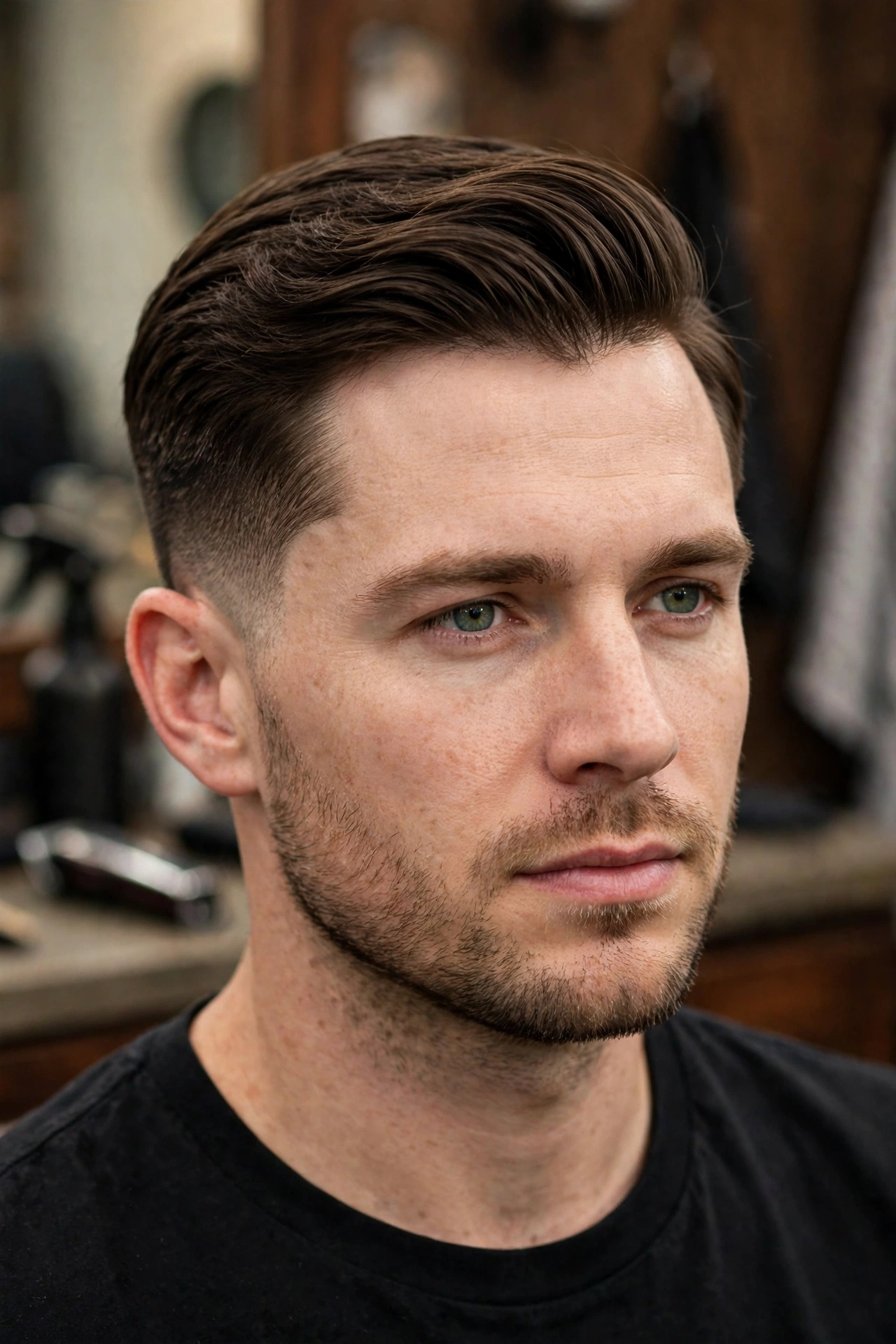
1. Classic Side Part with Taper
The classic side part with a taper is the benchmark version of this haircut. The top is left long enough to comb neatly to one side, while the sides and back gradually shorten towards the ears and neckline without ever looking harsh. It is clean, professional and flattering on almost every face shape, especially oval, square and round faces that benefit from a little height on top.
To style it, blow-dry the top in the direction of the part while it is slightly damp, then work a pea-sized amount of medium-hold pomade or cream through the hair with a comb. Ask your barber for a taper every three to four weeks to keep the outline crisp, and keep the top trimmed every four to six weeks so the part stays defined rather than floppy.
2. Slicked Back Side Part
The slicked back side part takes the classic shape and adds a glossy, high-polish finish. Hair is combed back and slightly to the side, creating a smooth, sculpted surface that catches the light beautifully. It suits formal occasions, evening events and men who like a refined, old-school look, and it works best on straight or slightly wavy hair with medium length on top.
Use a strong-hold, high-shine pomade on damp hair and comb it through in sections, following the natural part. For all-day hold, finish with a light mist of hairspray and avoid touching the hair once it is set. This style needs a trim every three weeks to stop the sides from growing over the ears and spoiling the sleek silhouette.
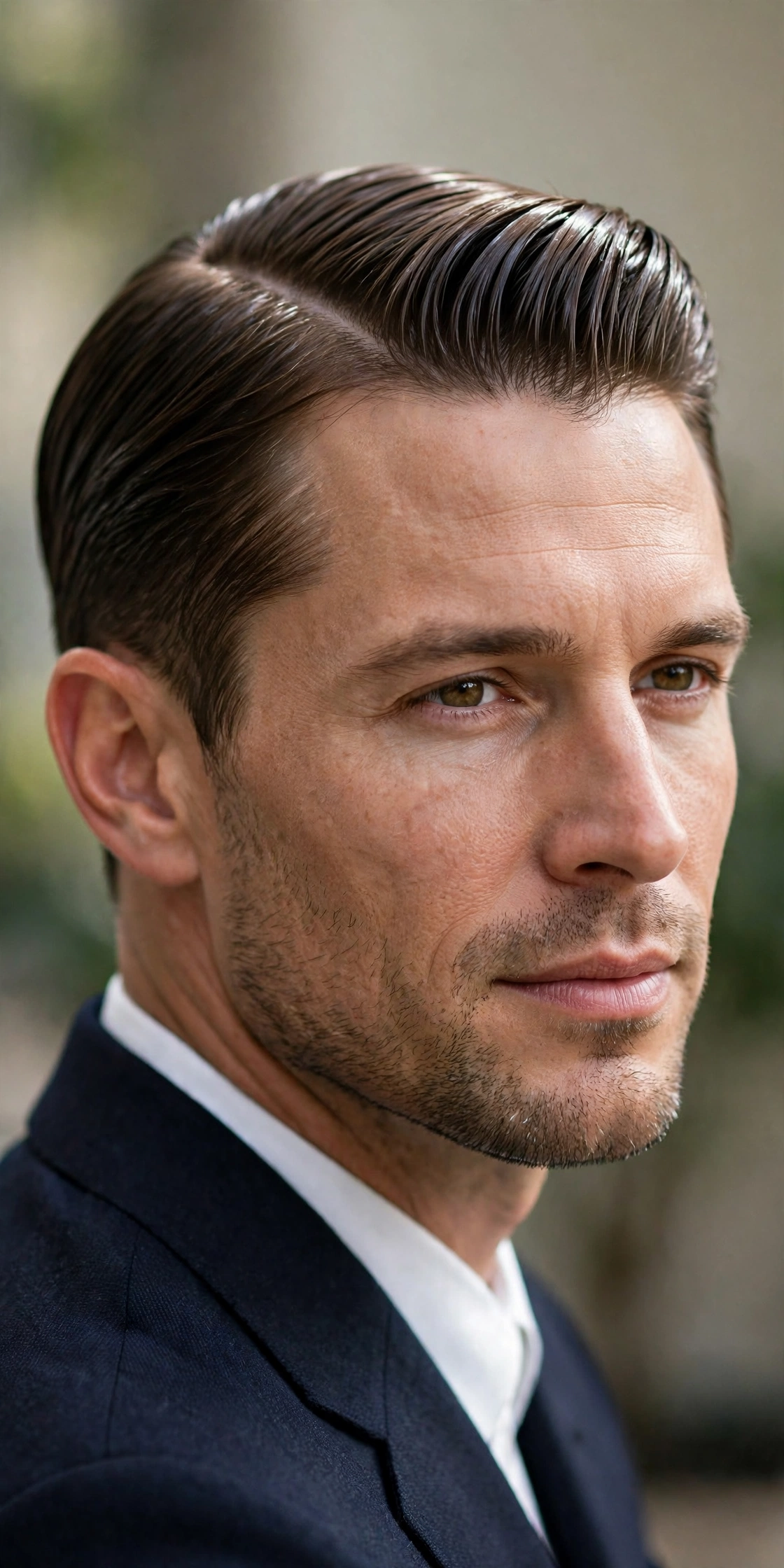
3. Side Part with Low Fade
A side part with a low fade is the perfect bridge between classic and modern. The fade sits low, just above the ears, so the overall shape stays soft and traditional while still looking fresh and well groomed. It is an excellent choice for men trying a fade for the first time, and it flatters round and square faces by keeping some fullness at the sides.
Style the top with a matte clay or cream for a natural finish, combing it to the side with your fingers for a relaxed look or a comb for a sharper one. Because a low fade grows out gracefully, you can stretch barber visits to every three to four weeks, though a quick neckline tidy-up in between will keep it looking intentional.
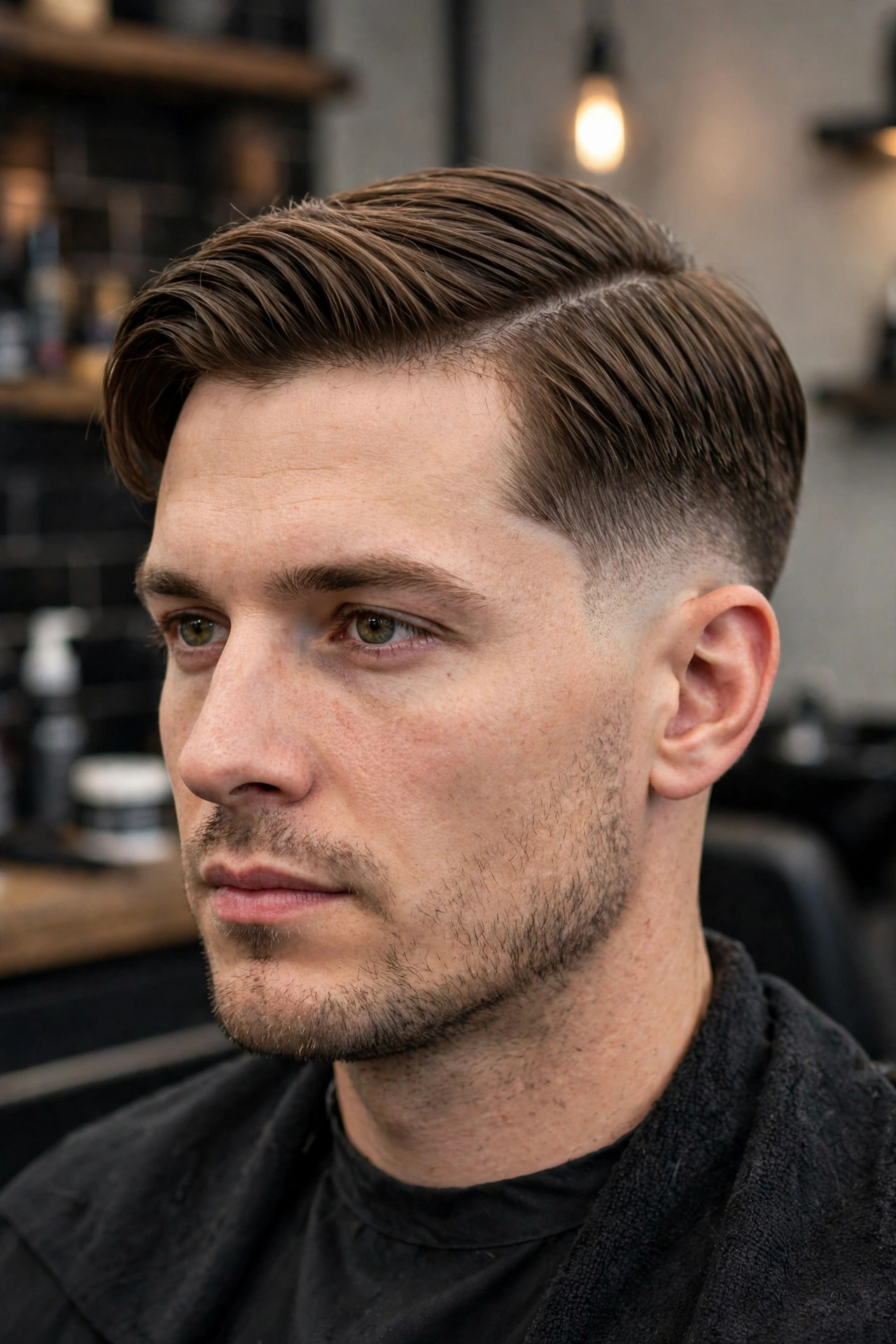
4. Side Part with Mid Fade
The mid fade version lifts the fade to the middle of the sides, giving the side part a crisper, more contemporary edge. The contrast between the longer, swept top and the faded sides makes the parting stand out, which is ideal if you want your haircut to look deliberately styled rather than simply neat. It suits oval, oblong and heart-shaped faces particularly well.
Blow-dry the top upwards and across for volume, then set it with a medium-hold product. The mid fade needs maintenance every two to three weeks to keep the blend sharp, so book regular appointments and ask your barber to keep the fade at the same height each time for a consistent result.
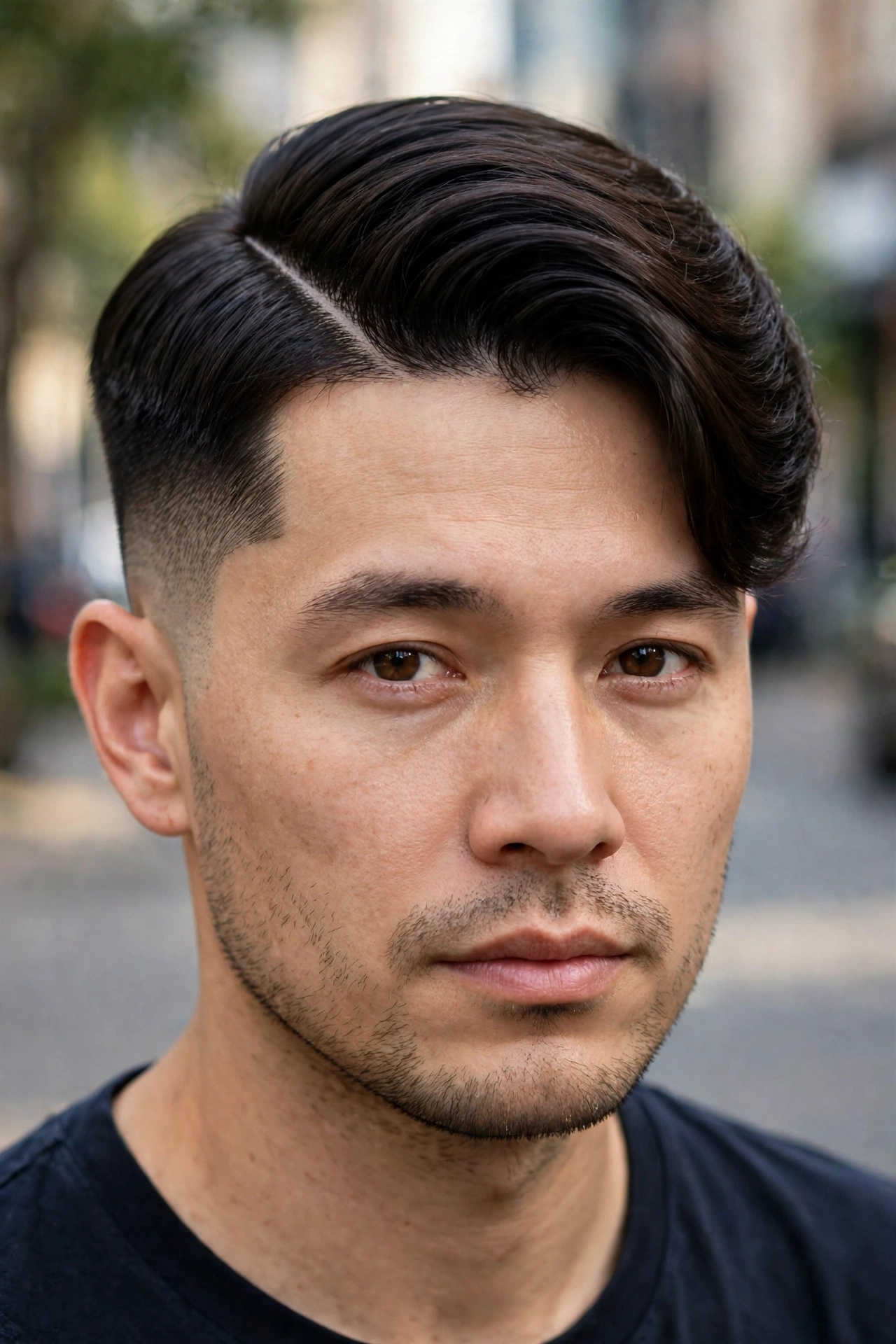
5. Side Part with High Fade
For a bolder take on the classic, the high fade removes most of the hair from the sides and back, leaving a strong contrast with the side-swept top. It is a confident, modern look that works brilliantly on thick hair and on men who like a low-maintenance cut that still looks styled. The high fade also draws attention upwards, which can help balance a rounder face.
Keep the top slightly longer than you think you need, because the height of the fade makes the top the star of the show. Use a volumising powder or clay to add texture, and visit the barber every two weeks if you want the fade to stay razor sharp. Between cuts, a little product on the top is all this style needs each morning.
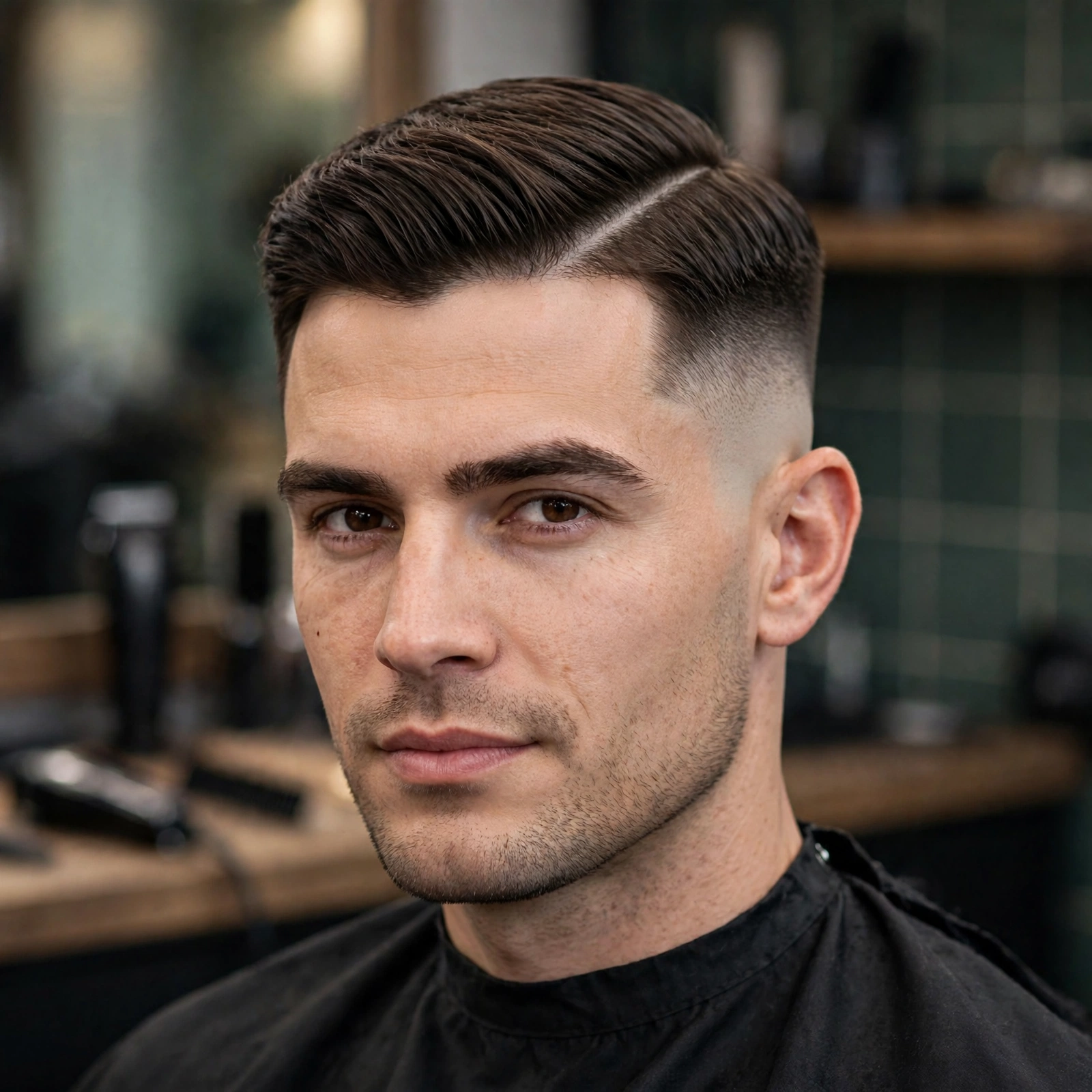
6. Side Part with Undercut
The side part undercut pairs a long, swept top with short, disconnected sides. Unlike a fade, there is no gradual blend, so the contrast is dramatic and fashion-forward while the parting itself keeps the look grounded in classic barbering. It is a great option for younger men, or for anyone who wants a statement cut that still works in smart settings when styled neatly.
To style it, comb the top firmly to one side with pomade for a polished finish, or add texture with sea salt spray for a more casual version. The undercut grows out noticeably, so plan a tidy-up every two to three weeks, and ask your barber to keep the disconnect line clean so the top falls naturally over the shorter sides.

7. Textured Side Part
The textured side part softens the classic shape with choppy layers and a matte, lived-in finish. Instead of a perfectly smooth comb-over, the top has movement, separation and a slightly undone feel, making it ideal for men who want a classic cut without looking too formal. It works especially well on thick and wavy hair, and it adds visual interest to oval and oblong faces.
Work a matte clay through towel-dried hair, then pinch and twist small sections in the direction of the part to build texture. A sea salt spray applied before blow-drying adds extra grip and volume. Because texture hides regrowth, this cut is forgiving between appointments, but a trim every four weeks keeps the layers from becoming heavy.

8. Wavy Side Part
A wavy side part lets natural waves do the talking. The part gives the waves direction and control, while the waves themselves add volume and softness that straight hair simply cannot replicate. This is one of the most romantic, effortless versions of the side part, and it suits medium-length hair with a tapered or lightly faded side.
Enhance the waves with a curl cream or light mousse, scrunching gently as the hair dries rather than combing it flat. Avoid heavy pomades, which can weigh waves down and make the style look greasy. A trim every five to six weeks is enough to keep the shape, provided your barber layers the top to encourage the waves to fall neatly to one side.

9. Curly Side Part
Curly hair and a side part are a wonderful combination when the cut is shaped correctly. The part creates structure, while the curls provide natural height and character on top, with tapered sides keeping everything tidy. This style suits men with loose to tight curls who want a polished look without fighting their natural texture.
Use a leave-in conditioner and curl-defining cream on wet hair, then let it air-dry or diffuse on low heat, arranging the curls to fall from the part. Resist the urge to comb dry curls, which causes frizz and breaks the pattern. Visit a barber experienced with curly hair every four to five weeks, and ask for the top to be cut dry or shaped around the curl pattern for the best result.

10. Side Part with Long Top
The side part with a long top is for men who love volume and movement. Several inches of length on top are swept dramatically to one side, creating a flowing, almost vintage silhouette that pairs beautifully with a suit or a smart coat. It suits straight and wavy hair best, and it flatters longer faces by adding width at the sides of the top.
Blow-dry with a round brush, lifting at the roots and directing the hair across the part, then finish with a light-hold cream so the length stays flexible. This style needs more morning time than a short side part, but the payoff is a rich, full look. Trim the top every six weeks to remove split ends while preserving the length.

11. Short Neat Side Part
The short neat side part is the ultimate low-maintenance classic. The top is kept short and tidy, the part is clear but understated, and the sides are closely tapered, so the whole cut looks sharp with almost no styling effort. It is perfect for busy mornings, active lifestyles and men who prefer a clean, no-fuss appearance.
A small amount of light pomade or styling cream, combed through in under a minute, is all this cut needs. Because the hair is short, it grows out faster in appearance, so book a trim every three weeks to maintain the crisp outline. This style suits every face shape and every age, which is why barbers recommend it so often.

12. Hard Part Side Part
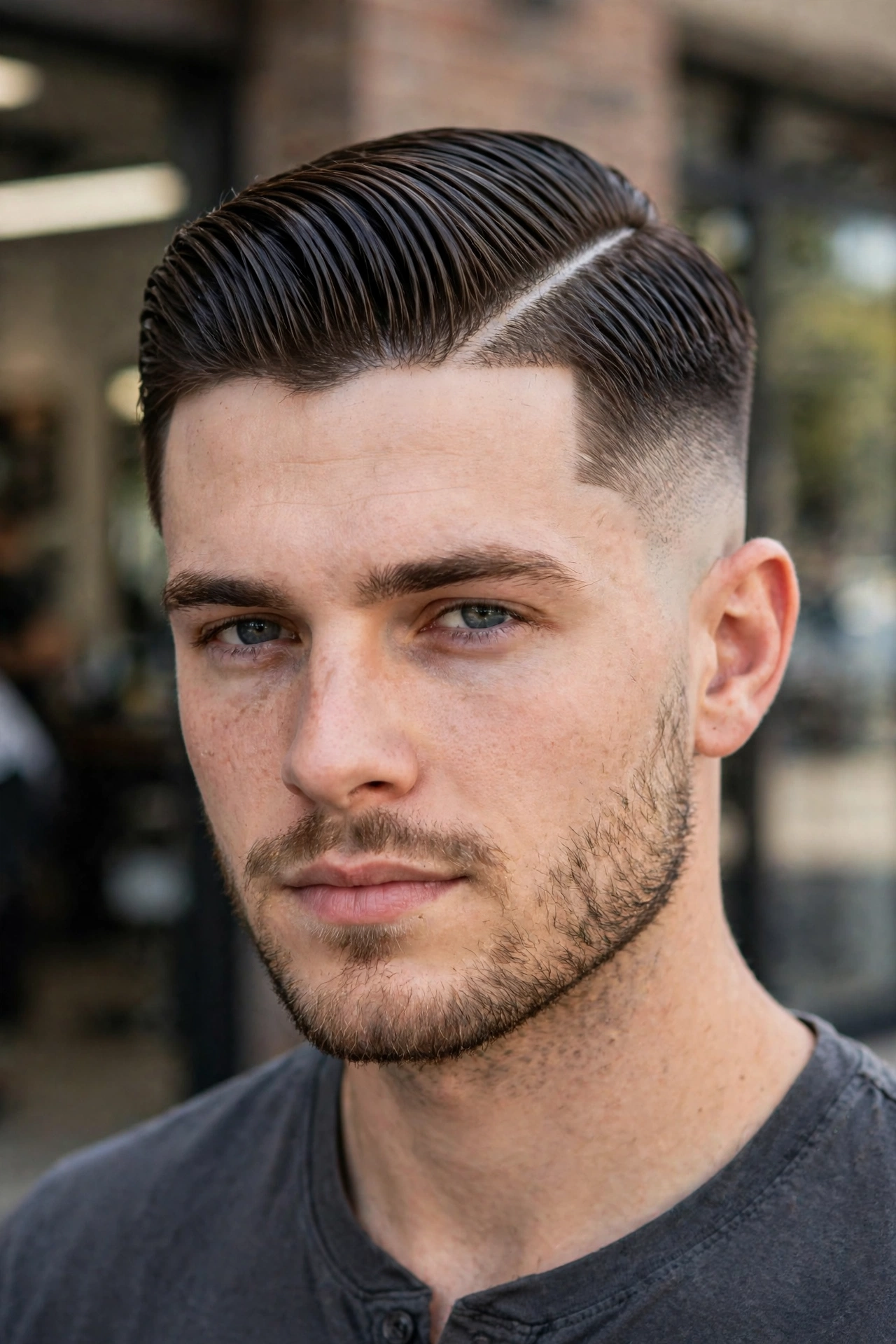
A hard part is a shaved line that replaces the natural parting, giving the side part razor-sharp definition. The contrast between the shaved line and the swept top makes the whole haircut look intentional and precise, and it is a favourite for men who want their side part to stand out in photos and in person. It pairs well with fades and tapers of any height.
The hard part needs a barber to redraw it every two to three weeks, as regrowth quickly softens the line. At home, comb the top away from the line each morning and use a medium-hold product to keep the hair from falling over it. This style suits straight and wavy hair best, and it looks particularly striking on square and oval faces.
13. Classic Comb Over Side Part
The classic comb over is the side part in its purest form: hair combed smoothly across from a deep side part, with a neat taper and no fuss. It is timeless, dignified and universally appropriate, from job interviews to weddings to everyday office life. Men with straight or slightly wavy hair and a medium top length will get the cleanest result.
Use a comb and a medium-shine pomade on damp hair, working from the part outwards so every strand lies in the same direction. For a more modern feel, keep the sides slightly shorter than a traditional comb over and add a touch of texture at the front. A trim every four weeks keeps the comb over looking deliberate rather than grown out.

14. Side Part Pompadour
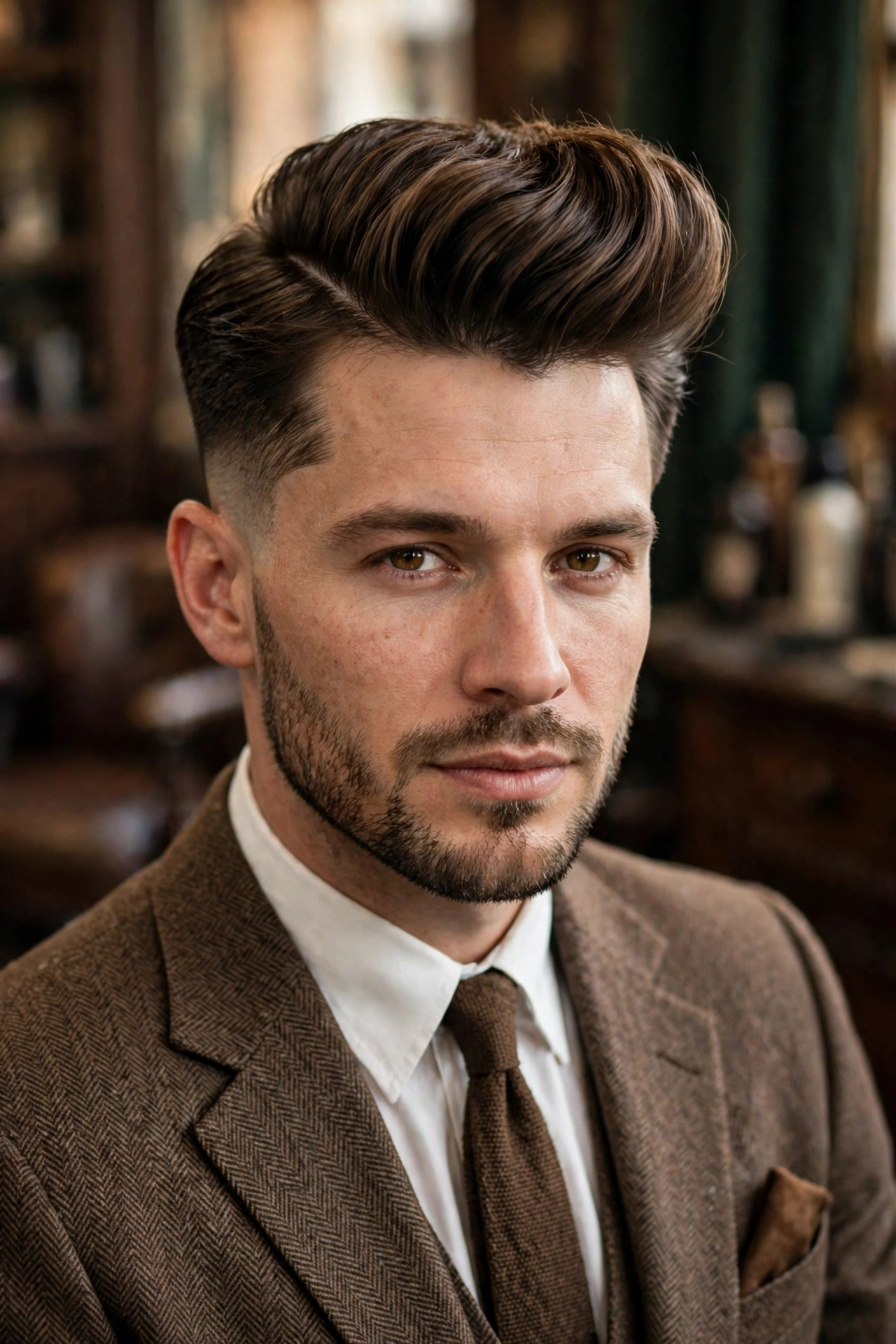
The side part pompadour combines two icons of men's hair: the height and sweep of the pompadour with the structure of a side part. The front is lifted high and swept to the side, creating a dramatic, confident silhouette that suits evenings out, special occasions and men who enjoy a statement hairstyle. It works best on thick, straight or wavy hair.
Blow-dry the front upwards and across using a round brush, then lock the height in place with a strong-hold pomade or clay. Building the pompadour takes a few minutes of practice, but once you learn the motion it becomes second nature. Keep the sides faded or tapered and trim every three to four weeks so the volume on top stays the focal point.
15. Side Part Quiff
The side part quiff is a younger, more relaxed cousin of the pompadour. The front is lifted and textured, then swept to the side from a soft parting, giving height without the formality of a slicked style. It suits oval, round and heart-shaped faces, and it is an excellent choice for men who want a trendy cut that still looks smart.
Apply a volumising mousse or sea salt spray to damp hair, blow-dry the front upwards, then finish with matte clay, tousling the top lightly for texture. The quiff is forgiving if a few strands fall out of place, which makes it ideal for everyday wear. Trim every four weeks to keep the front from becoming too heavy.
16. Side Part with Side-Swept Fringe
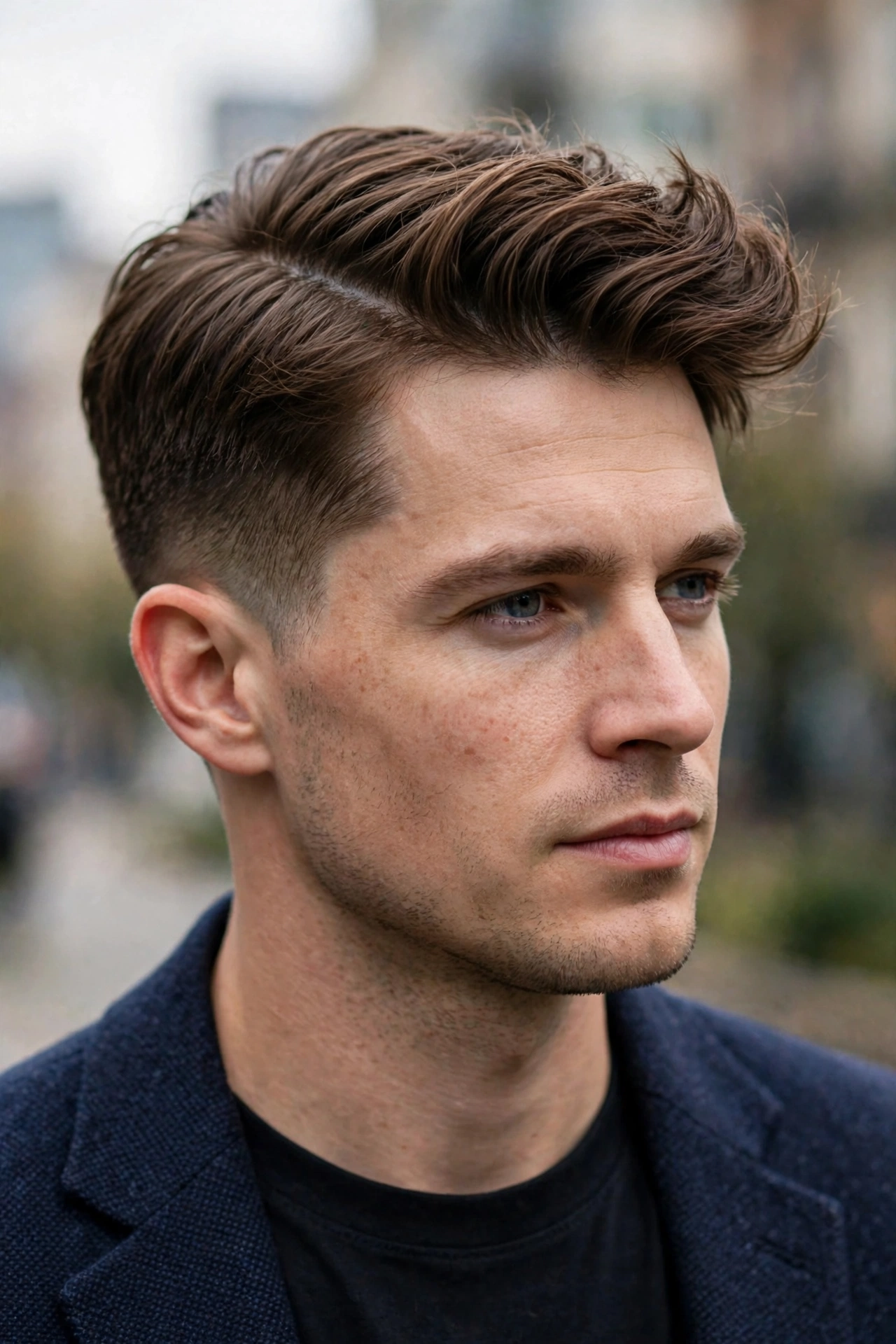
A side part with a side-swept fringe brings a softer, more youthful energy to the classic cut. Longer hair at the front falls gently across the forehead from the part, framing the face and softening strong features. It is a great option for men with high foreheads, and for anyone who wants a classic shape with a casual, approachable feel.
Style it by blow-drying the fringe across the forehead in the direction of the part, using a light cream to keep it flexible rather than stiff. Avoid heavy products that make the fringe look flat or greasy. Ask your barber to keep the fringe long enough to sweep, but short enough that it does not fall into your eyes, and trim it every four weeks.

17. Businessman Side Part
The businessman side part is the boardroom-ready version of the classic: immaculately combed, neatly tapered and never a hair out of place. It communicates professionalism and attention to detail, which is why it remains the go-to cut for executives, lawyers, bankers and anyone who dresses smartly for work. Straight hair gives the smoothest finish, but wavy hair works well with a little extra product.
Comb the top with a fine-tooth comb and a medium-hold, medium-shine pomade, and keep a pocket comb handy for a quick midday tidy-up. The key to this style is maintenance: a trim every three weeks, clean edges around the ears and neckline, and a consistent parting in exactly the same place every day.

18. Ivy League Side Part
The Ivy League side part, sometimes called the Harvard clip, is a short, preppy take on the classic. The top is just long enough to part and comb to the side, the sides are tapered, and the whole cut looks effortlessly collegiate and clean. It is ideal for students, young professionals and men who want a smart cut that never looks overdone.
Style it with a small amount of light cream or pomade, combed neatly to the side, and let it dry naturally for a soft finish. Because the hair is short, this cut is very easy to maintain at home and needs only a barber visit every three to four weeks. It suits oval, square and round faces alike.

19. Military Side Part
The military side part is sharp, disciplined and extremely tidy. Sides are cut very short, the top is short but long enough to show a clear part, and the overall shape is precise and uniform. It suits men who like a structured routine, a clean appearance and a cut that looks the same from morning to night with minimal effort.
A dab of light pomade is enough to define the part, and the short length means the style holds its shape all day without restyling. This cut needs frequent trims, every two to three weeks, to keep the sides short and the outline crisp. It is particularly flattering on square and oval faces.

20. Side Part with Skin Fade
The side part with a skin fade is the sharpest contrast version of the classic cut. The sides fade all the way down to bare skin, making the longer, swept top look even more dramatic by comparison. It is a modern, confident style that photographs beautifully and suits men who like a clean, high-impact haircut.
Keep the top styled with pomade or clay, combed firmly away from the part so the fade remains visible. Skin fades grow out quickly, so a barber visit every one to two weeks keeps the skin section truly bare and the blend seamless. This style works on all hair types, but it is especially striking on dark, thick hair.
21. Side Part with Drop Fade
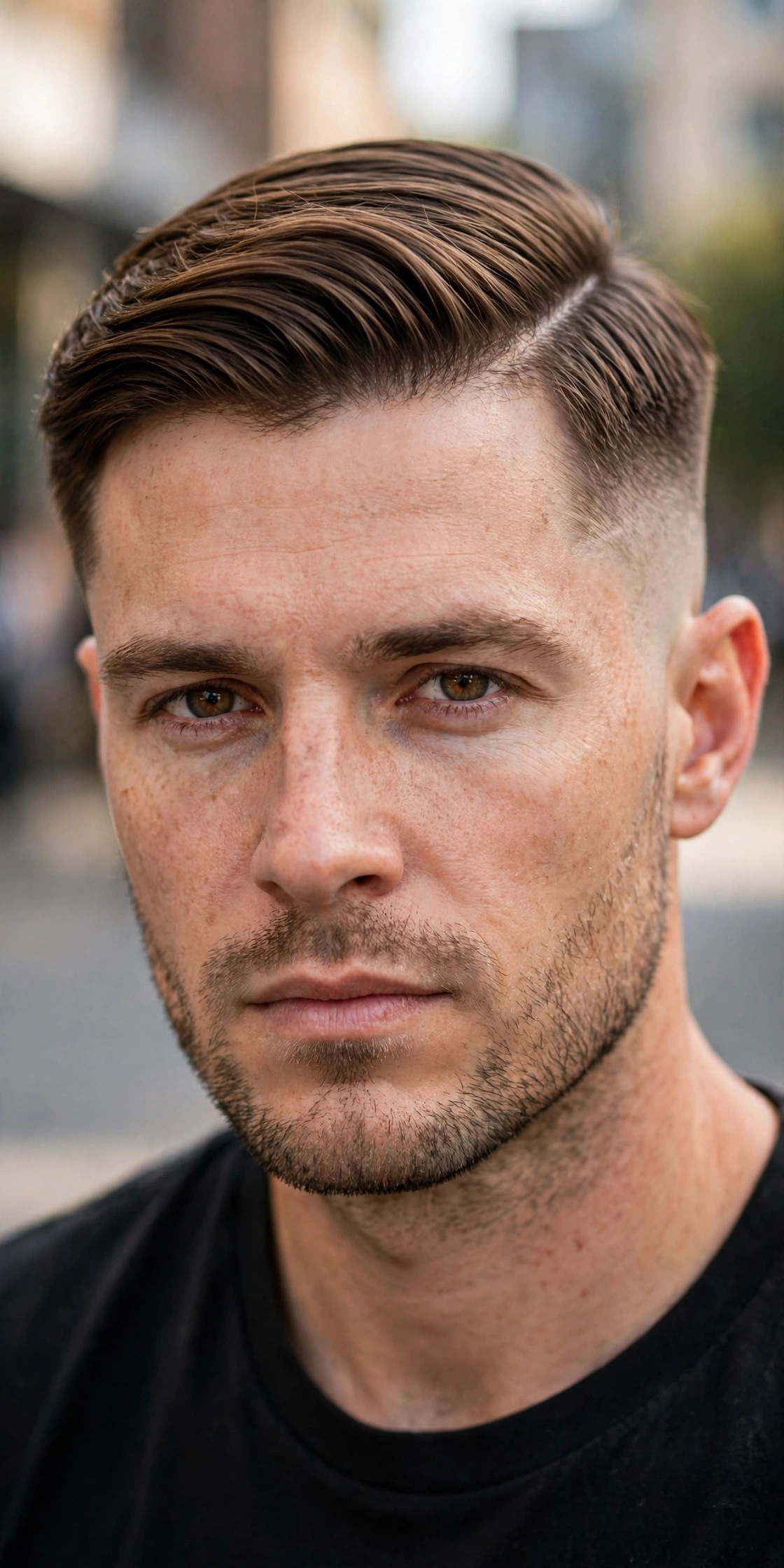
The drop fade curves down behind the ear, following the natural shape of the head, which gives the side part a smooth, rounded silhouette. Unlike a straight fade, the drop fade dips lower at the back, creating a flattering curve that suits round and oval heads especially well. It is a subtle detail that makes the whole cut look custom-made.
Style the top as you would any classic side part, with pomade for shine or clay for a matte finish, and let the curved fade do the visual work at the sides. Ask your barber specifically for a drop fade, and show a photo, because the curve is easy to get wrong without a clear reference. A tidy-up every two to three weeks keeps the curve crisp.
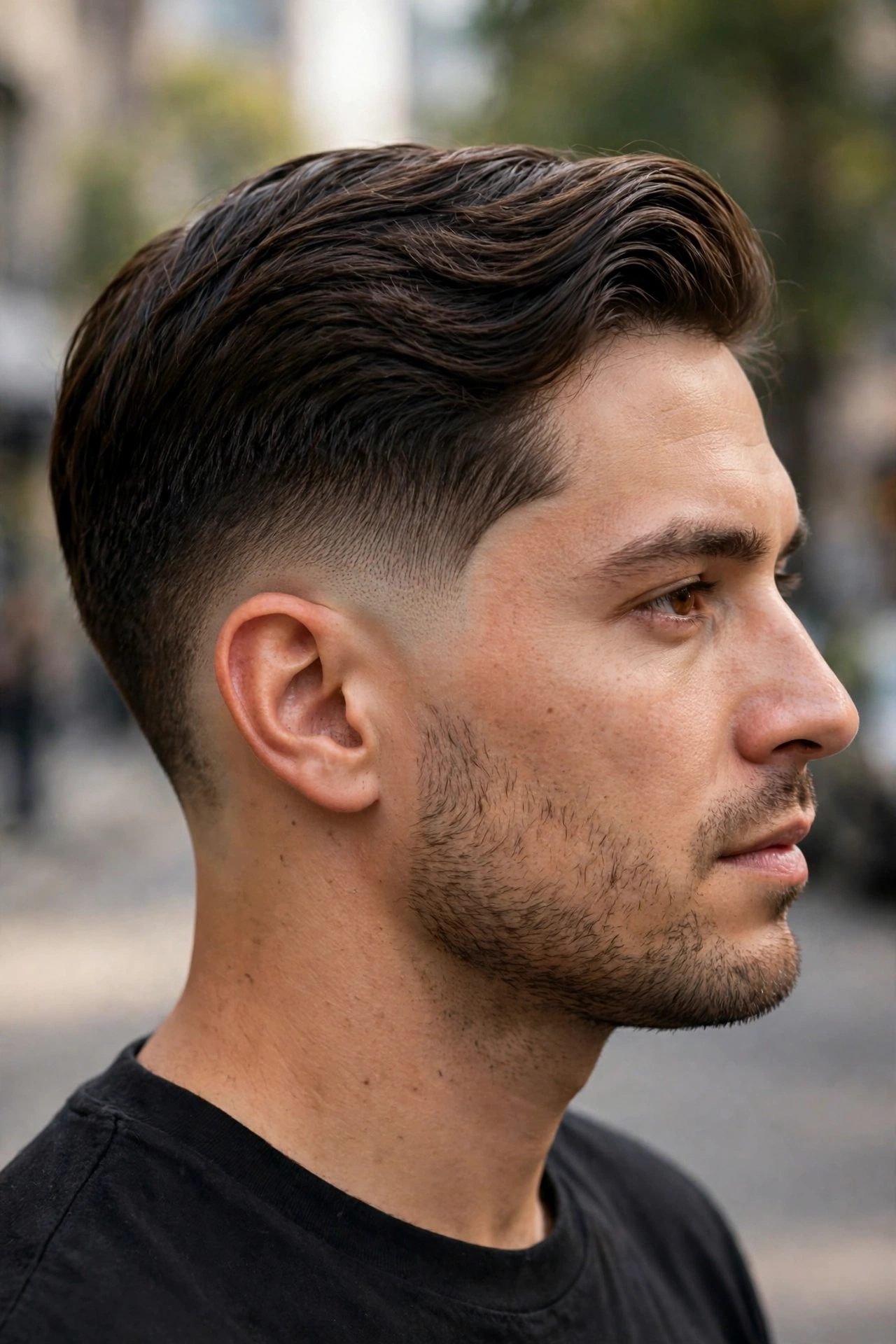
22. Side Part with Taper Fade
The taper fade combines the softness of a taper with the clean blend of a fade, fading gradually around the ears and neckline while leaving more length higher up the sides. It is one of the most versatile side part variations, smart enough for work and modern enough for weekends, and it suits almost every face shape and hair type.
This style is easy to maintain at home: comb the top to the side with a light product and let the tapered sides speak for themselves. Because the fade is gradual rather than skin-close, it grows out gracefully and can go three to four weeks between barber visits. Ask for a low or mid taper fade depending on how much contrast you prefer.

23. Side Part Crew Cut
The side part crew cut merges a short, athletic crew cut with a subtle side part for a touch of classic polish. The top is short and slightly longer at the front, the sides are buzzed or tightly tapered, and the part adds just enough structure to lift it above a plain buzz cut. It is ideal for sportsmen, soldiers and men who want the shortest possible classic look.
Styling takes seconds: a tiny amount of matte product, combed or finger-styled to the side, is all you need. The crew cut grows out evenly, but a trim every three weeks keeps the part visible and the shape tidy. It suits square and oval faces particularly well and looks great with a short beard or clean shave.

24. Messy Textured Side Part
The messy textured side part proves that a classic cut does not have to look perfect to look good. The part is still there, giving the style its structure, but the top is tousled, layered and deliberately imperfect, creating a relaxed, youthful vibe. It is perfect for casual settings, creative workplaces and men with naturally thick or wavy hair.
Use sea salt spray on damp hair, scrunch and tousle as it dries, then finish with a small amount of matte clay, pulling pieces in the direction of the part. The beauty of this style is that it looks better slightly undone, so do not over-comb it. A trim every four to five weeks keeps the texture from turning into shapeless bulk.

25. Wet Look Side Part
The wet look side part uses a high-shine gel or pomade to create a sleek, just-out-of-the-shower finish that lasts all day. It is glamorous, evening-ready and reminiscent of vintage Hollywood, making it a superb choice for parties, dates and formal events. Straight and wavy hair both take beautifully to this finish.
Apply gel to damp hair, comb it firmly from the part, and let it set without touching it further. Choose a product with strong hold but no flaking, and wash it out thoroughly at night to avoid build-up. Because the shine is the star, keep the sides neat and the part precise, with a trim every three weeks.

26. Matte Natural Side Part
The matte natural side part is the opposite of the wet look: soft, shine-free and completely understated. Hair is parted and combed to the side but left to look as though no product was used at all, which makes it perfect for everyday wear, casual offices and men who dislike the feel of heavy styling products. It works on straight, wavy and fine hair.
Use a pea-sized amount of matte clay or a light styling cream, working it through dry hair for a natural hold. Blow-drying the top in the direction of the part gives gentle volume without shine. This is one of the easiest side parts to maintain, needing only a trim every four weeks and a quick comb each morning.

27. Grey Side Part
A grey side part is one of the most distinguished looks a man can wear. Silver and grey tones add depth and character to the classic shape, and the neat parting keeps the style looking intentional rather than simply grown out. It suits older men beautifully, but younger men embracing premature grey can also wear it with great confidence.
Enhance silver tones with a purple shampoo once a week to prevent yellowing, and use a light cream to keep grey hair, which can be coarser, soft and manageable. A regular taper and a trim every four weeks keep the shape smart. Pair this cut with a well-groomed beard or clean shave for a fully polished finish.

28. Salt and Pepper Side Part
The salt and pepper side part celebrates the natural mix of dark and grey hair, using the classic parting to show off the blend to its best advantage. The contrast between dark and silver strands adds texture and dimension that a single colour cannot match, and the tidy sides keep the look refined. It is a superb choice for men in their forties and fifties.
Keep the hair healthy with a good conditioner, since mixed grey hair can become wiry, and style with a medium-hold cream for a natural finish. Avoid harsh dyes or heavy gels that flatten the colour variation. A trim every three to four weeks, with a taper that respects the natural growth pattern, keeps this style looking effortlessly distinguished.

29. Side Part for Thick Hair
Thick hair gives the side part wonderful volume, but it needs the right cut to avoid looking bulky. The key is layering and thinning through the top, paired with tapered or faded sides that remove weight where it is not needed. Done well, a side part on thick hair looks full, rich and impressively groomed.
Ask your barber to thin the top with texturising shears rather than cutting it too short, and use a strong-hold clay to control the volume. Blow-drying downwards in the direction of the part helps thick hair lie flat and neat. A trim every four weeks prevents the sides from puffing out and keeps the part clearly defined.

30. Side Part for Thin Hair
A side part is one of the best haircuts for thin or fine hair, because the parting itself creates the illusion of fullness. By combing hair across from a deep part, you cover more of the scalp and add visual density, especially when the top is kept at a medium length with light layers. It is a smart, confidence-boosting choice for men with thinning hair.
Use a volumising powder or light mousse at the roots, blow-dry the top across the part, and avoid heavy pomades that flatten fine hair. A matte finish also helps, since shine can expose the scalp. Keep the sides tapered rather than faded too high, so the top retains as much coverage as possible, and trim every four weeks.

31. Side Part for Straight Fine Hair
Straight fine hair takes beautifully to a side part because it lies naturally in the direction of the comb, creating a smooth, sleek surface with minimal effort. The result is a clean, minimal, almost Scandinavian take on the classic cut, perfect for men who prefer understated elegance over volume and texture. It suits oval and oblong faces especially well.
Style with a light cream or a small amount of low-hold pomade, combing the top neatly to the side while it is still slightly damp. Avoid overloading fine hair with product, which quickly looks greasy. A trim every four weeks keeps the ends tidy, and a side part placed slightly off-centre adds a touch more width to the top.

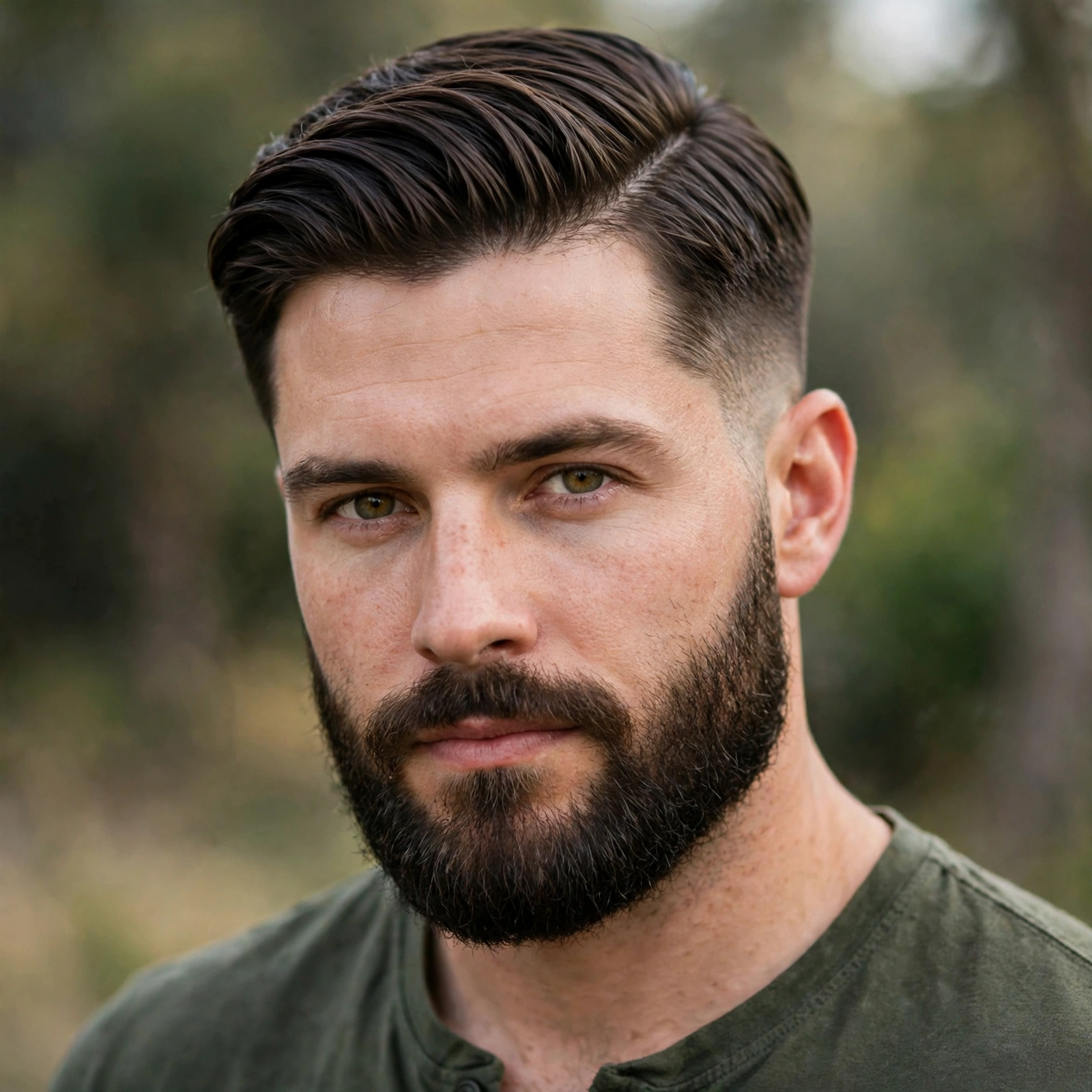
32. Side Part with Full Beard
A side part with a full beard is a powerful combination: the neat, classic hair on top balances the rugged fullness of the beard below, creating a look that is both groomed and masculine. The key is the blend between the sideburns and the beard, which should connect smoothly so the hair and beard read as one considered style rather than two separate ones.
Ask your barber to fade or taper the sides into the beard, and keep the beard itself shaped with regular trimming and beard oil. Style the top with pomade or clay, combed firmly to the side, so the contrast between tidy hair and full beard stays sharp. This pairing suits square, oval and round faces, and it looks superb in both casual and formal settings.
33. Side Part with Moustache
The side part with a moustache is pure vintage gentleman style. The neat parting and the groomed moustache echo the leading men of the 1940s and 1950s, yet the look feels completely current when the sides are kept tapered and modern. It is a distinctive choice for men who enjoy classic grooming and want a signature detail.
Keep the moustache trimmed, shaped with a little moustache wax, and in proportion to the haircut, neither too bushy nor too thin. Comb the top to the side with a medium-shine pomade for a cohesive vintage finish. A barber visit every three weeks keeps both the hair and the moustache in perfect shape, and the style suits oval, square and heart-shaped faces.

34. Side Part for the Older Gentleman
For the older gentleman, the side part is the most reliable haircut of all. It is dignified, easy to wear and endlessly flattering, whether the hair is silver, grey, salt and pepper, or still dark. The classic shape brings order to the hair, frames the face beautifully, and pairs perfectly with a suit, a blazer or smart casual clothes.
Keep the top at a comfortable medium length, the sides neatly tapered, and the part in its natural place for the most flattering result. A light cream is usually enough to style it, and a trim every four weeks keeps the outline crisp without requiring daily fuss. This is a cut that looks better the more confidently it is worn.

35. Side Part for the Young Professional
The young professional side part is a fresh, modern version of the classic, with a contemporary taper, a touch of texture on top and a clean, confident finish. It is smart enough for the office, relaxed enough for after-work drinks, and easy enough to style in five minutes each morning. It suits men in their twenties and thirties who want to look polished without looking old-fashioned.
Blow-dry the top with a little volume, finish with matte clay, and comb or finger-style it to the side depending on how formal the day is. The versatility of this cut is its greatest strength: neat for meetings, slightly tousled for weekends, all from the same haircut. A trim every three to four weeks keeps it looking current.

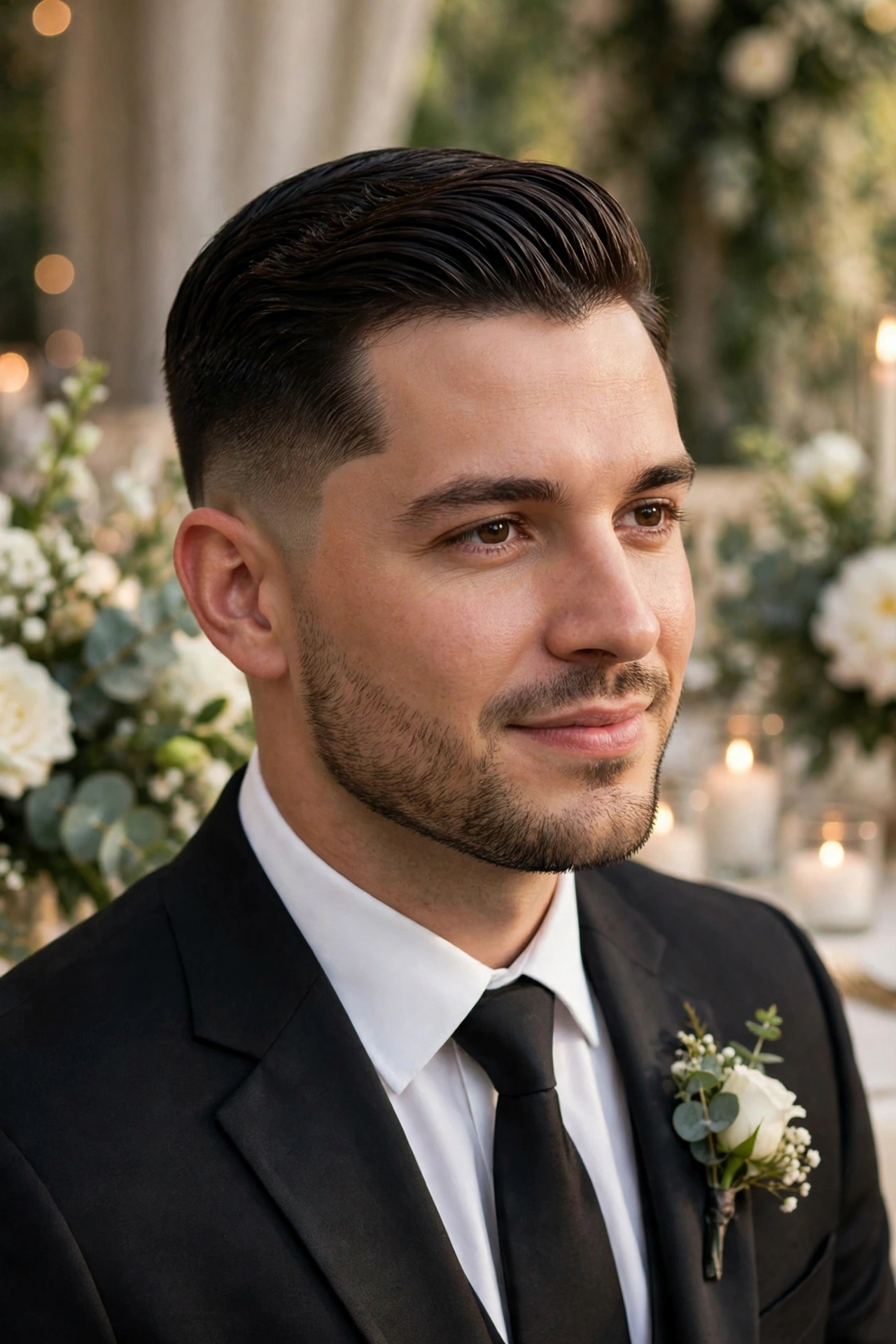
36. Wedding Side Part
A wedding side part is the polished, camera-ready version of the classic, designed to look flawless from the ceremony to the last dance. The top is glossy and precisely combed, the sides are freshly faded or tapered, and the part is sharp and unmistakable. Whether you are the groom, a groomsman or a guest, this cut photographs beautifully and pairs perfectly with a suit.
Book your cut three to five days before the wedding so it settles naturally, and have a trial run with your styling product beforehand. On the day, use a strong-hold pomade, comb the top firmly from the part, and finish with hairspray for all-day hold. Bring a pocket comb for quick touch-ups between photos, and you will look sharp in every shot.
37. Casual Weekend Side Part
The casual weekend side part relaxes the classic shape for days off. The part is softer, the top has a little more movement, and the finish is matte and natural rather than glossy and precise. It is the side part you wear with a t-shirt and jeans, and it proves that this classic cut is just as comfortable out of the office as it is in it.
Style it with your fingers rather than a comb, using a small amount of matte clay or sea salt spray for texture and hold. Let a few strands fall naturally, and do not worry about perfection, because the relaxed finish is the whole point. This version grows out gracefully, so a trim every four to five weeks is plenty.

38. Brushed Up Side Part
The brushed up side part adds height and energy to the classic by lifting the front upwards before sweeping it to the side. The result is a dynamic, modern silhouette that suits men who like volume and movement, and it is particularly flattering on round and square faces, where the extra height lengthens the appearance of the face.
Blow-dry the front upwards with a round brush, using a volumising spray at the roots, then direct the hair across the part and set it with matte clay. The brushed-up front needs a little practice, but it holds well once you learn the technique. Keep the sides tapered or faded, and trim every three to four weeks so the height on top stays balanced.

Frequently Asked Questions
What is a classic side part haircut for men?
A classic side part haircut is a timeless men's style where the hair on top is parted to one side, usually at the natural parting point, and combed neatly across, while the sides and back are tapered or faded. It has been popular for over a century because it is clean, versatile and suitable for almost every age, face shape and occasion, from work to weddings.
Which face shape suits a side part haircut best?
A side part suits almost every face shape, which is part of its enduring appeal. Oval and square faces can wear almost any version, round faces benefit from extra height on top and a fade, oblong faces suit a side part with a little width and texture, and heart-shaped faces look great with a softer, side-swept version that balances a wider forehead.
How do I ask my barber for a classic side part?
Ask for a side part with a tapered or faded side, tell your barber how much length you want on top, and show a photo of the exact version you like, such as a low fade, hard part or textured finish. Mention your natural parting, your hair type and how much time you want to spend styling each morning, so the barber can tailor the cut to your routine.
How often should I get a side part haircut trimmed?
Most side parts need a trim every three to four weeks to keep the sides tidy and the part defined. Skin fades and hard parts need more frequent visits, every one to three weeks, while textured, messy and longer versions can stretch to four or five weeks. Regular trims keep the shape intentional and prevent the cut from growing into a shapeless mop.
What products work best for styling a side part?
Pomade gives a classic shiny, slicked finish, matte clay gives a natural textured look, styling cream offers light flexible hold for everyday wear, and gel creates a strong wet look for formal occasions. Choose based on your hair type and the finish you want, start with a pea-sized amount, and add more only if needed, since too much product weighs the side part down.
Conclusion
The classic side part has survived every trend in men's hair for a simple reason: it works. Whether you choose a neat taper, a sharp fade, a textured finish, a grey gentleman's cut or a polished wedding style, the side part gives you structure, confidence and a look that is appropriate anywhere. Pick the version that matches your hair type, your face shape and your lifestyle, show your barber a photo, and enjoy a haircut that never goes out of style.