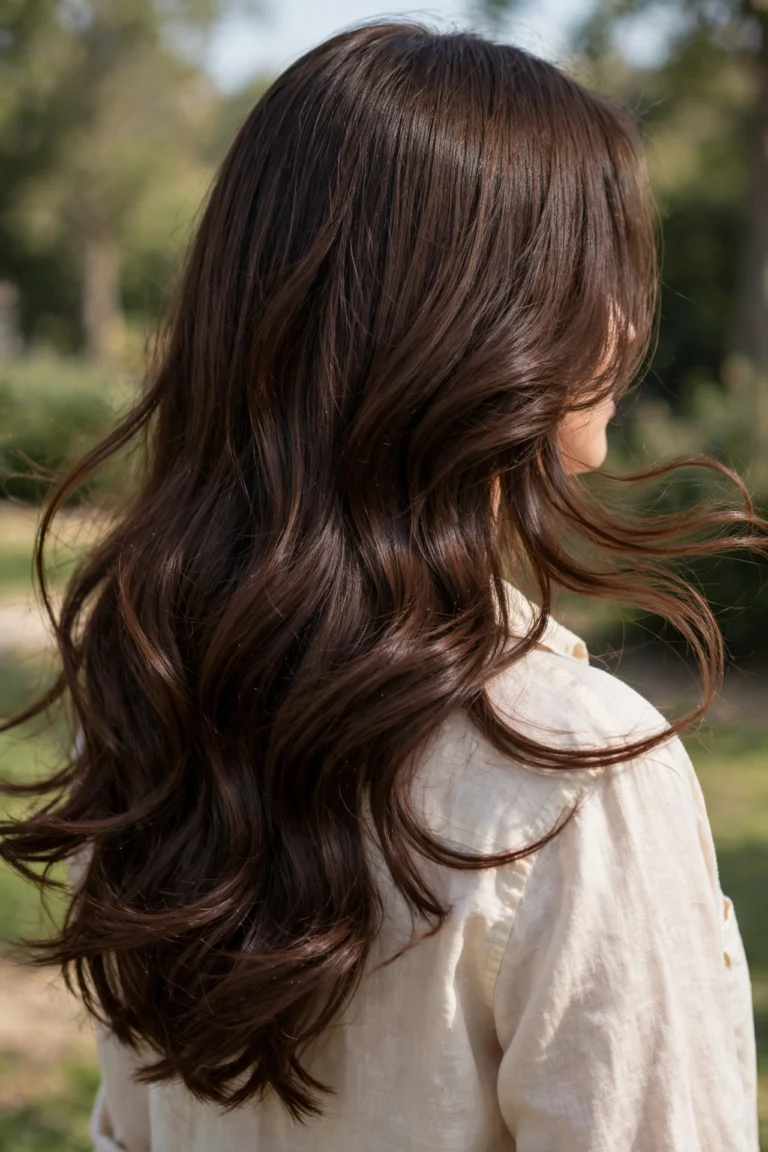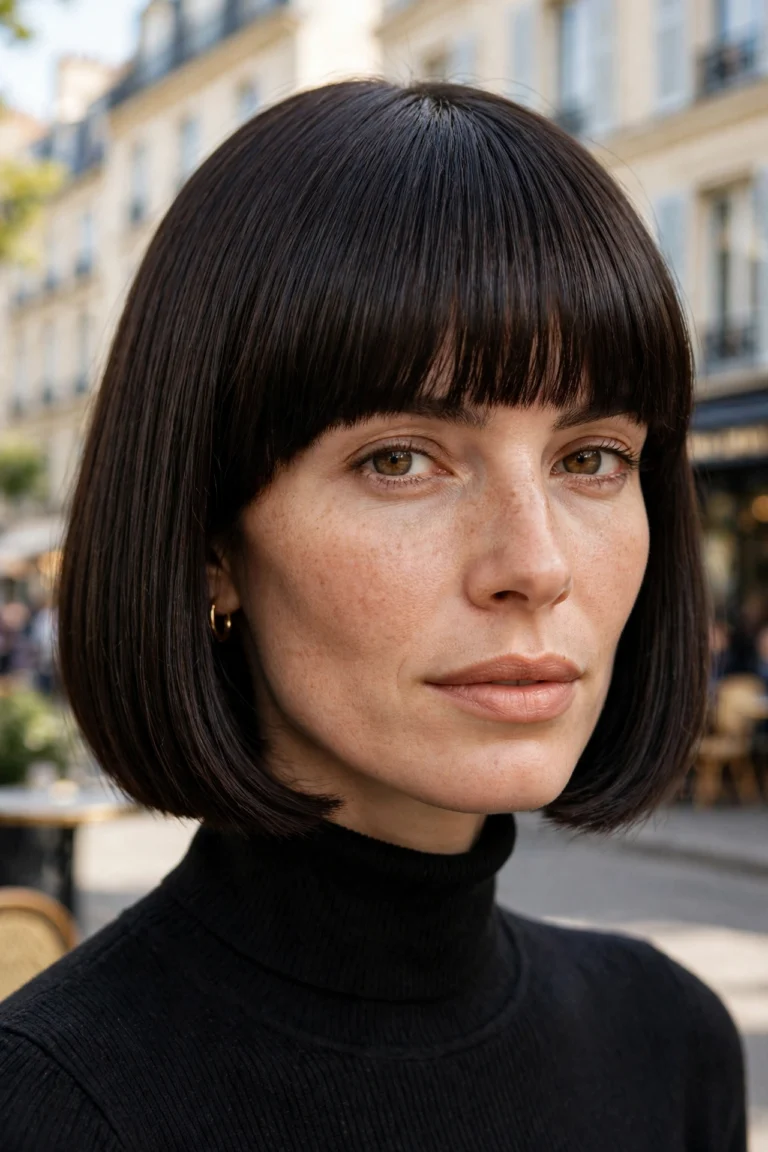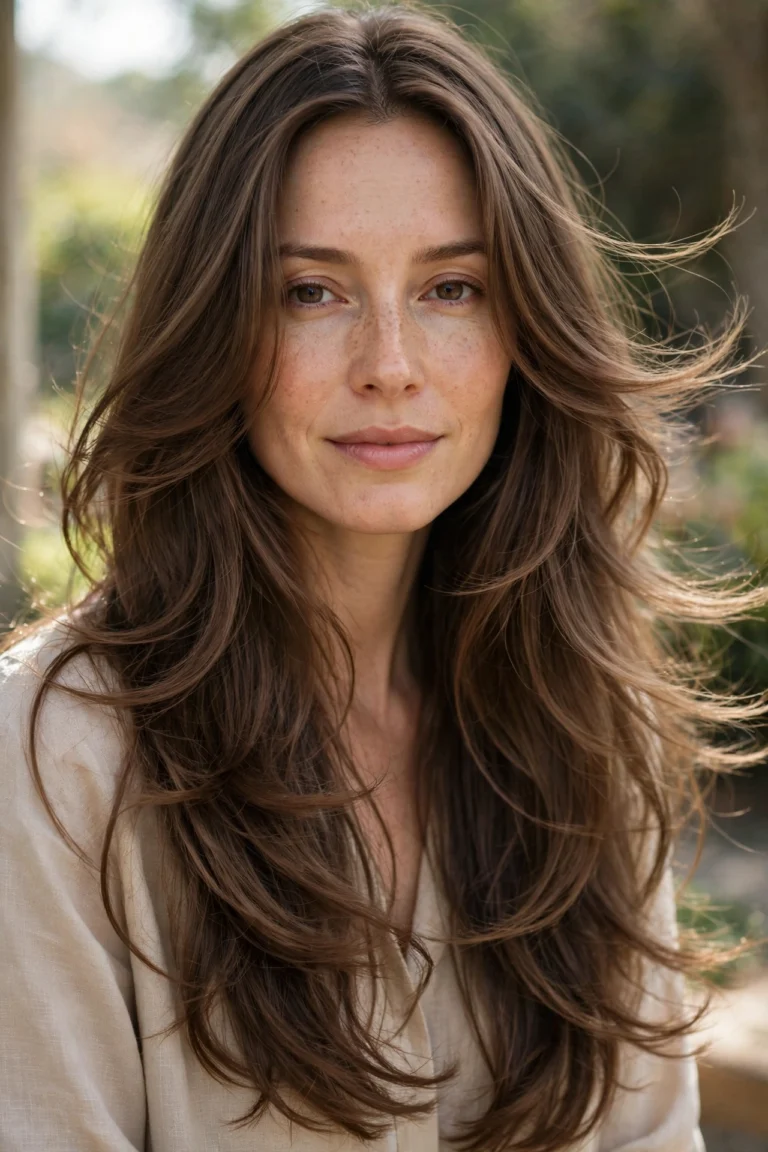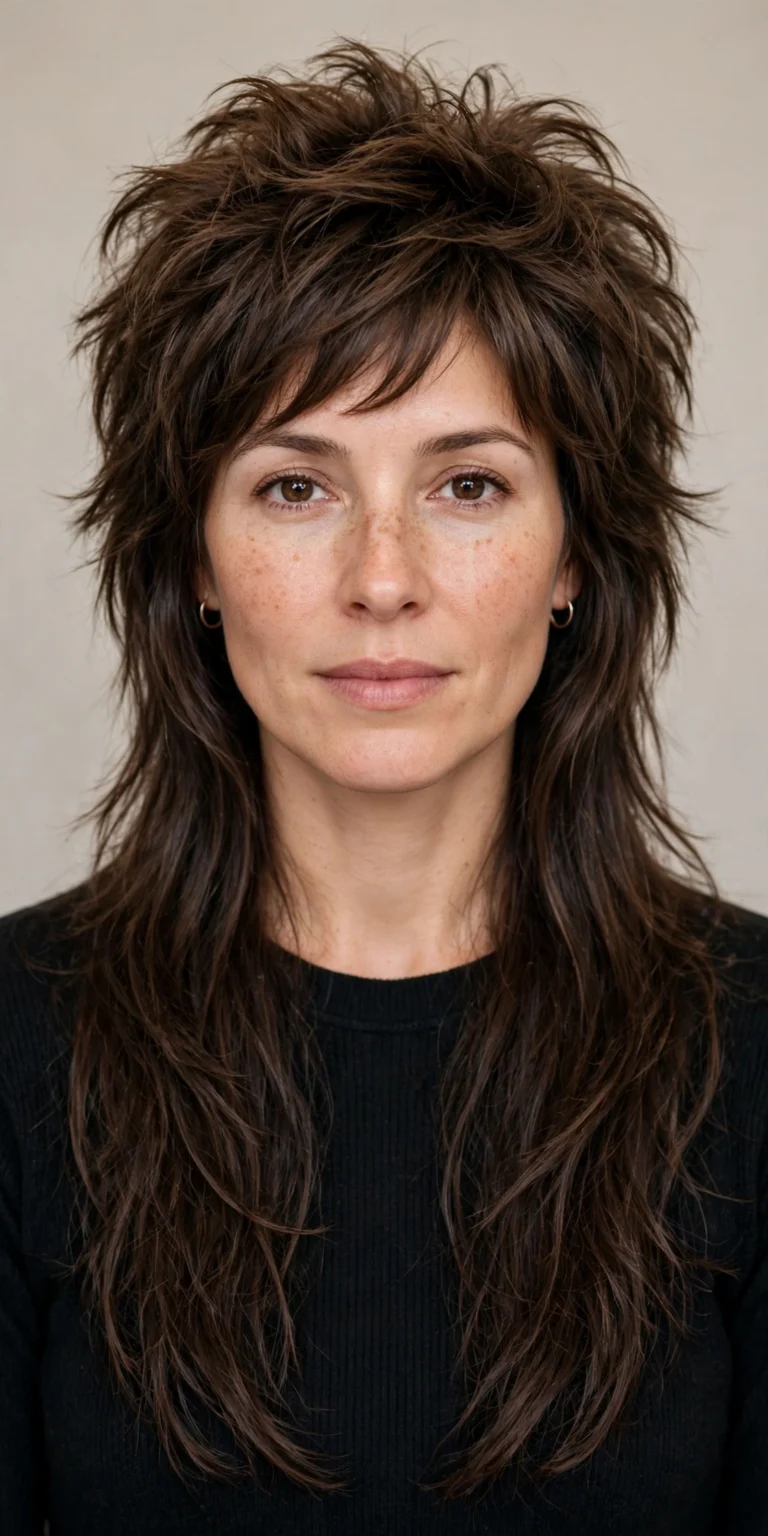
38 Bent & Tucked Bob Hairstyles for 2026
Introduction
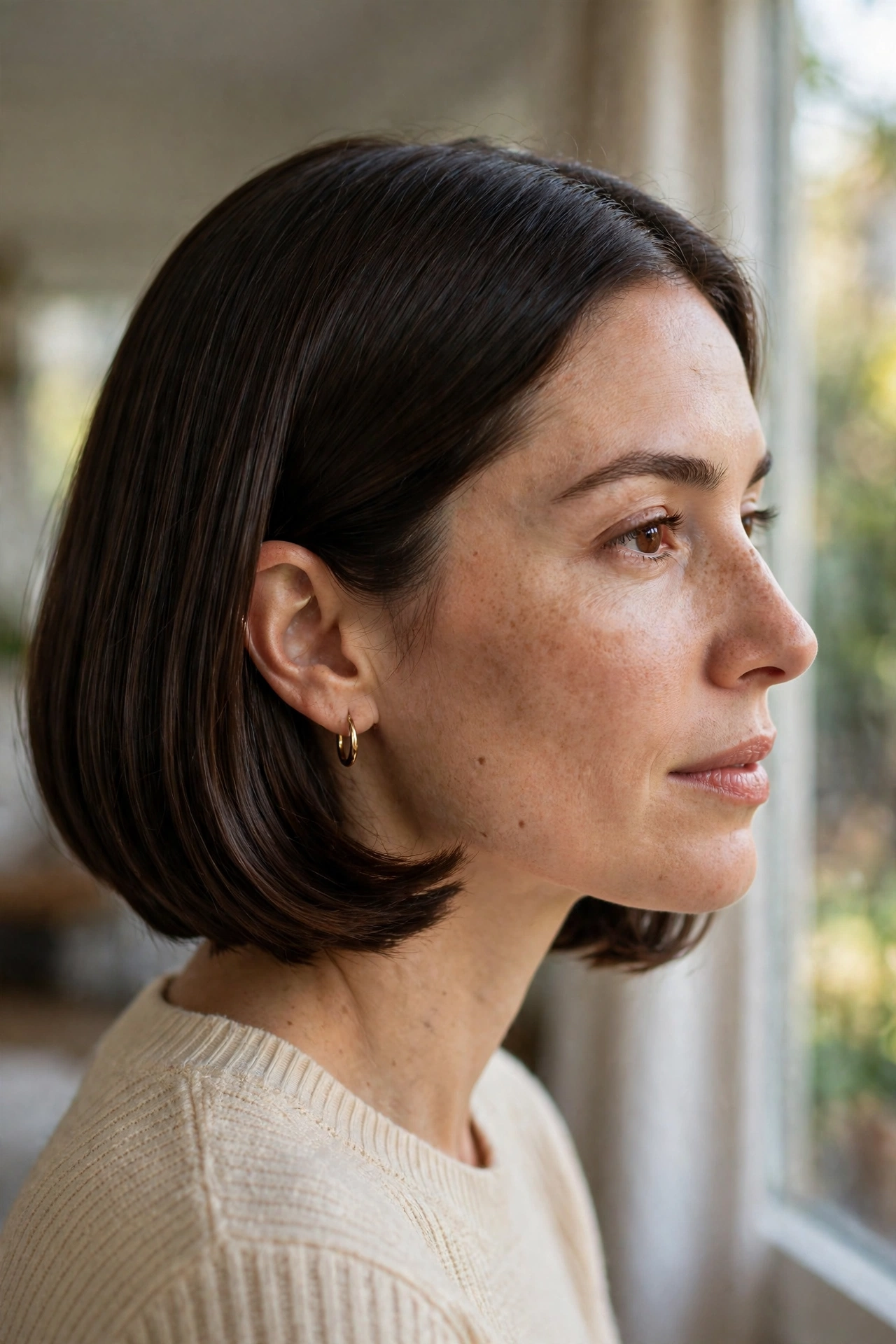
A bent bob is not quite straight and not quite curled. It sits in that easy middle ground where the hair bends softly through the lengths and the ends turn gently inward, so the cut looks finished without looking stiff. A tucked bob takes that idea one step further: the ends are bevelled and tucked under, which creates a smooth, rounded silhouette that frames the jaw and neck beautifully. Together, these two finishes are the reason the bob keeps coming back — they make short hair look polished in real life, not just in the salon chair.
The best part is how flexible this family of cuts is. The same tucked-under idea works on a chin-length bob, a jaw-length bob, and a longer lob, and it can be adapted for fine hair that needs the illusion of thickness, thick hair that needs weight taken out, curls that need shaping, and straight hair that needs movement. In this guide you will find 38 distinct bent and tucked bob variations, each with honest notes on who it suits, how much upkeep it needs, and exactly what to ask for at the salon so you leave with the version you pictured.
1. Classic Tucked-Under Bob
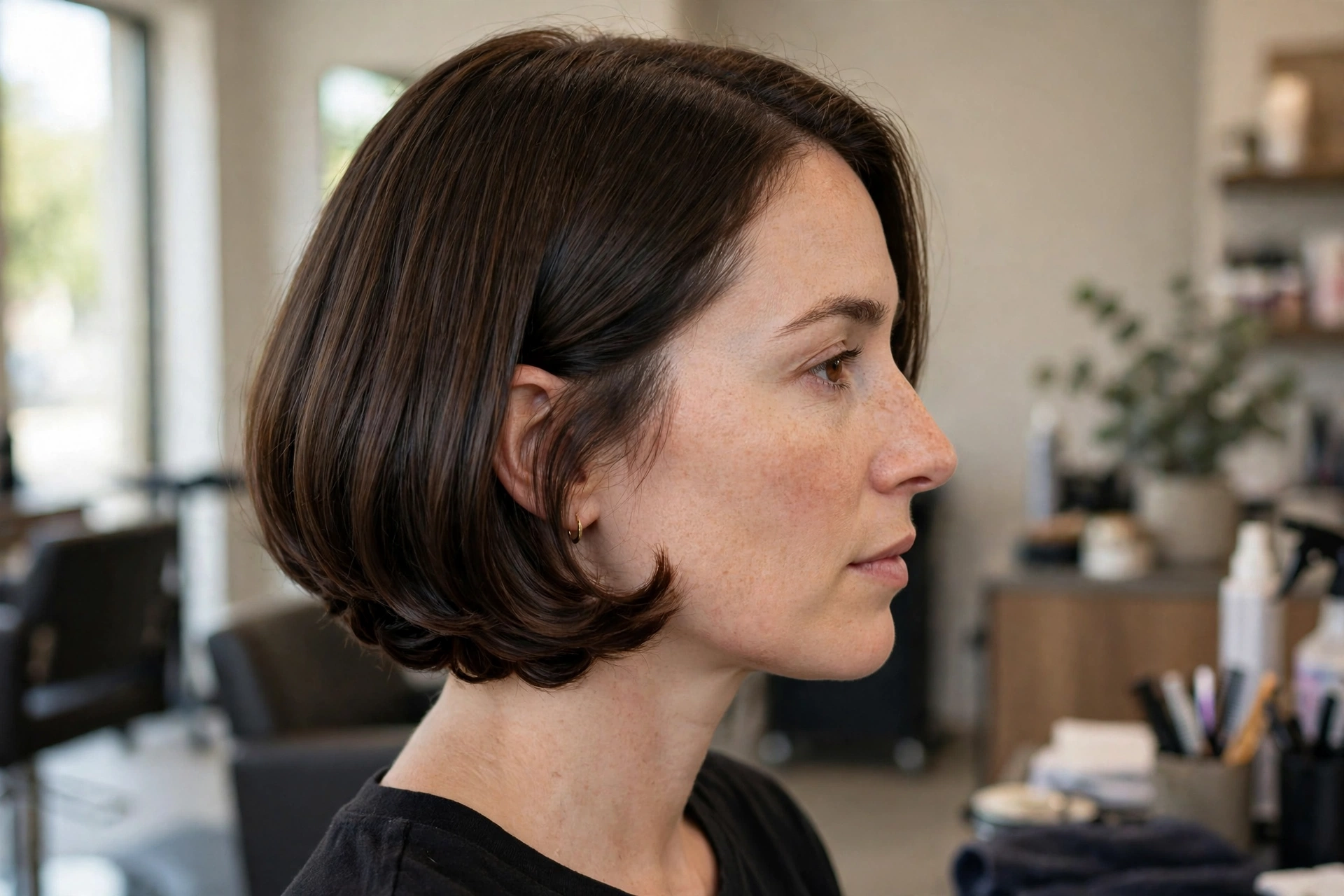
The classic tucked-under bob is the reference point for this whole list: a clean, jaw-length cut with the ends bevelled inward so the shape curves neatly under the jawline. It suits oval, heart, and square faces especially well, because the inward curve softens the jaw without hiding it, and it works best on straight to slightly wavy hair of medium density. If your hair is very fine, ask your stylist to keep the perimeter solid rather than thinning the ends, so the tuck still reads as a full, rounded shape.
Maintenance is moderate. You will need a trim every six to eight weeks to keep the bevel crisp, and a round brush blow-dry is the easiest way to recreate the tuck at home. At the salon, ask for a one-length bob cut to the jaw with the ends bevelled under, and bring a photo showing the exact length you want — jaw-length on one person can sit at chin-length on another, depending on neck length.
2. Soft Bent Jaw-Length Bob
This is the relaxed cousin of the classic tuck: the length still sits at the jaw, but instead of a firm bevel, the ends carry one soft bend, as if the hair was bent once around a large brush and left alone. It suits almost every face shape, and it is particularly kind to long and oval faces because the bend adds width at the sides rather than length at the bottom. Medium and thick hair hold the bend well, while fine hair benefits from a light volumising mousse before drying.
Styling is low effort, which is the point. Rough-dry your hair until it is about 80 percent dry, then bend the ends under with a large round brush or a flat iron turned inward for just a second per section. Ask your stylist for a jaw-length bob with soft, broken ends rather than a blunt, heavy perimeter, so the bend does not look forced.
3. Sleek Bevelled Ends Bob
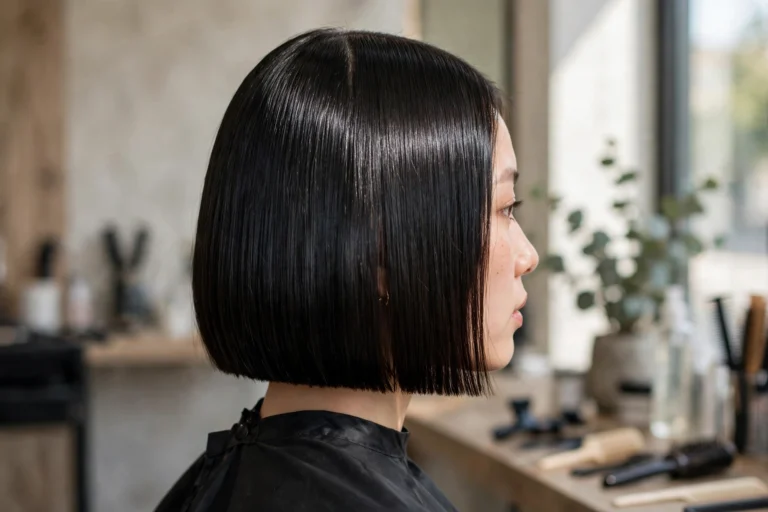
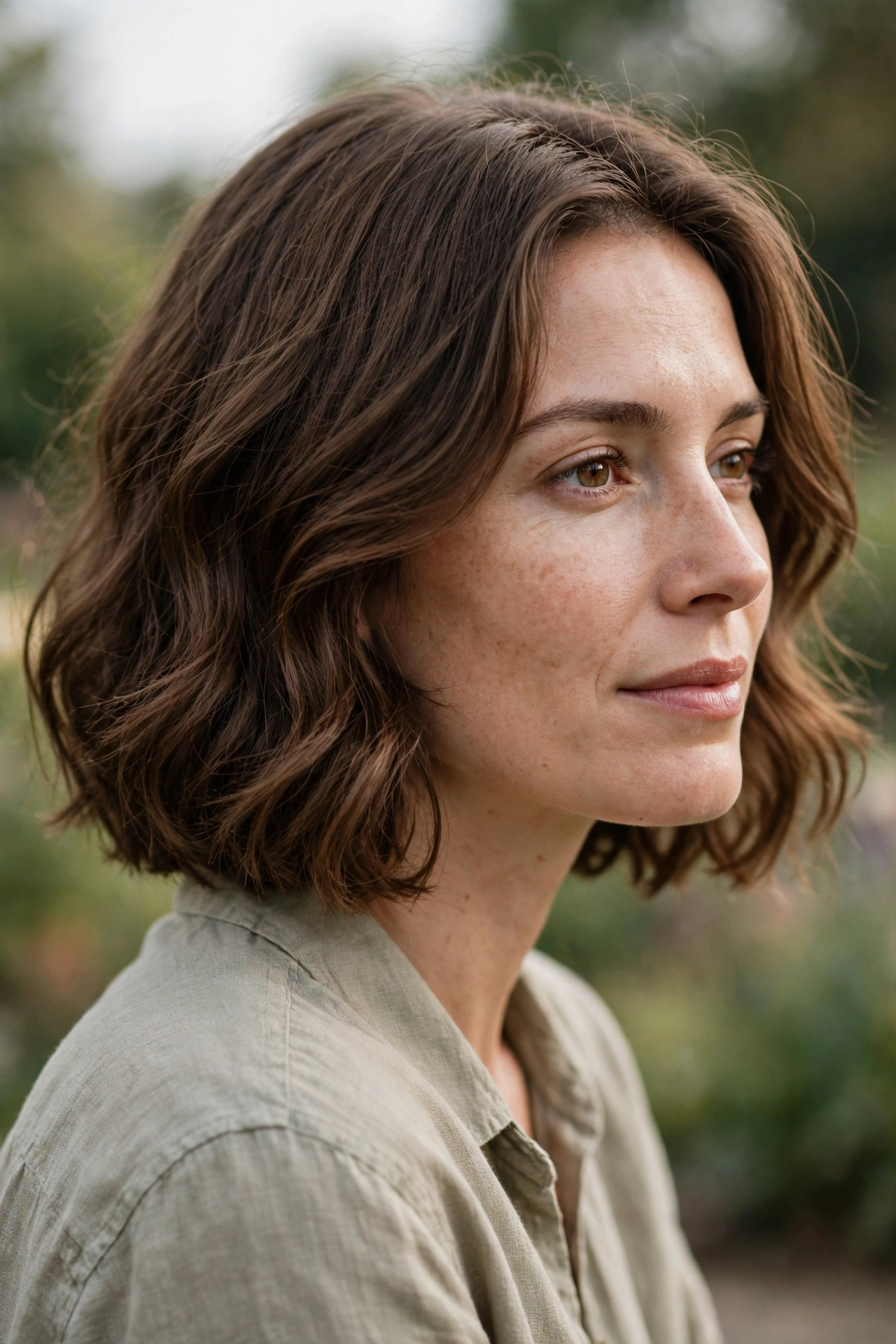
The sleek bevelled ends bob is all about precision: smooth roots, a clean outline, and ends that turn under in one continuous curve. It flatters oval and heart-shaped faces and looks most striking on straight, medium-density hair, where the shine and the shape can both show. On wavy or frizzy hair it is still possible, but be honest about whether you will straighten it most days — this cut only looks sleek when the finish is sleek.
Maintenance is higher than the softer versions here, because frizz or grown-out ends break the line quickly. A smoothing serum, a paddle brush blow-dry, and a flat iron passed lightly over the ends will keep it sharp, and trims every six weeks matter. Ask for a sleek bob with bevelled ends and minimal internal layering, so the outline stays solid and the ends tuck as one piece.
4. Bent Bob with Curtain Bangs
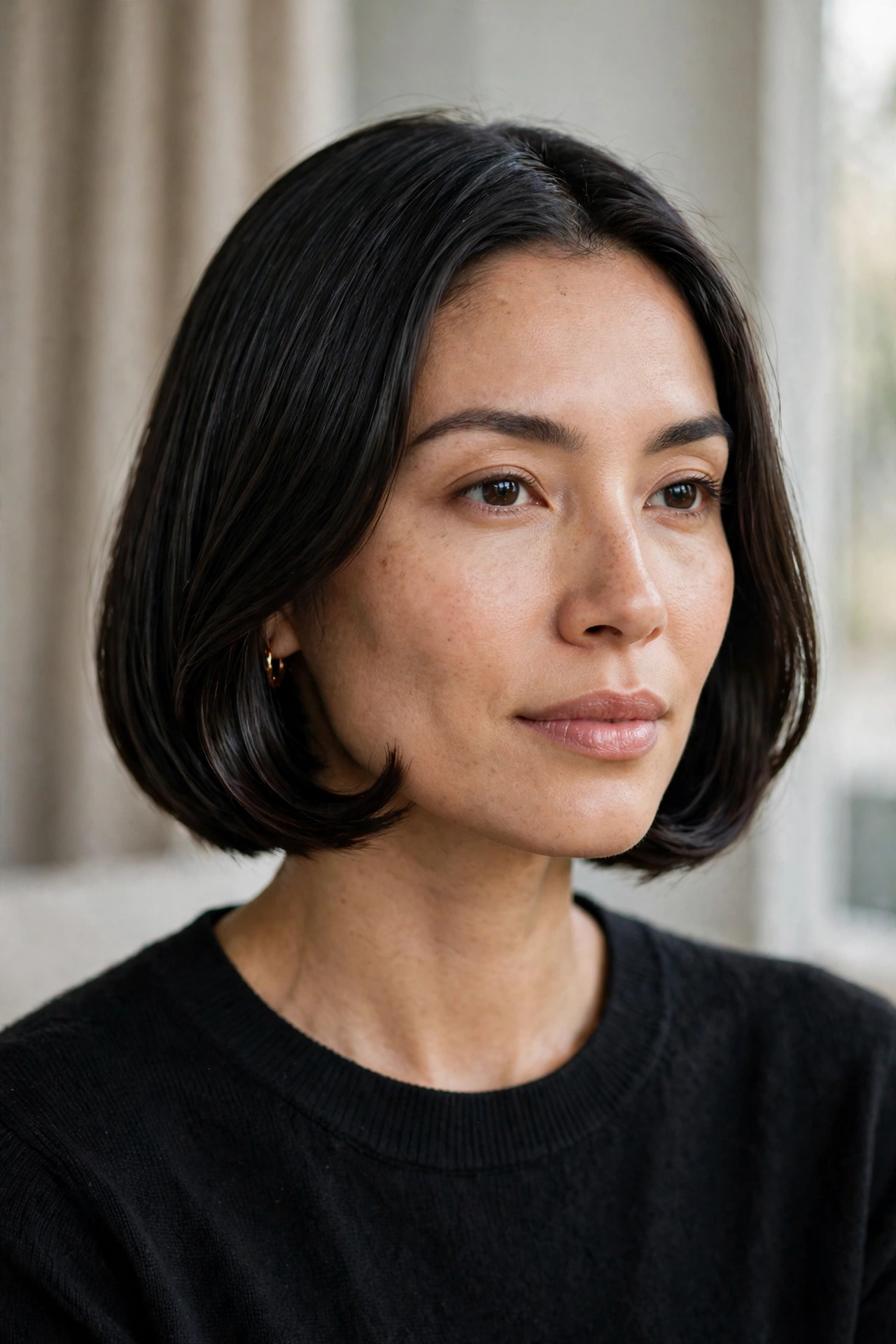
Curtain bangs change the whole feel of a bent bob, opening up the face in the middle and letting the sides fall in soft, cheekbone-length pieces. This version suits round, square, and heart-shaped faces well, because the centre part and the longer fringe pieces draw the eye upward and lengthen the face. It works on straight and wavy hair, and medium density is ideal — very thick hair may need the bangs thinned slightly so they do not sit like a heavy curtain.
Upkeep is medium: the bangs need trimming more often than the bob itself, roughly every four weeks, or they start poking your eyes. Style the fringe by blow-drying it away from the face with a round brush, then bend the bob ends under as usual. At the salon, ask for curtain bangs that start at the cheekbones and blend into a bent bob, and specify that you want them parted in the centre, not cut as a straight fringe.

5. Textured Tucked Bob with Waves
Here the tuck meets texture: loose, tousled waves through the lengths, with the very ends still tucked under so the shape does not flare out. It suits oval, long, and heart-shaped faces, and it is a gift for naturally wavy hair, because it works with the wave instead of fighting it. Straight hair can achieve it too, but you will need a wave spray or a large-barrel iron to create the movement first.
This is a low-to-medium maintenance cut. The texture hides regrowth and imperfect drying, so you can stretch trims to eight weeks, but the ends still need a quick inward bend to keep the tucked shape. Ask for a textured bob with light internal layers and tucked-under ends, and tell your stylist you want movement, not a solid polished outline.

6. Chin-Length Tucked Bob
Short, neat, and confident, the chin-length tucked bob ends right at the chin with the ends curled firmly under. It suits oval, heart, and petite faces best, and it is a strong choice for fine to medium hair, because the short length and the tuck together make the hair look thicker than it is. Very round faces should be careful: a tuck that ends exactly at the widest part of the cheek can emphasise width, so ask for a length just below the chin if that worries you.
Maintenance is moderate to high, because a short bob loses its shape fast as it grows. Expect trims every five to six weeks, and a quick round-brush finish in the morning. Ask for a chin-length bob with a strong bevel under, and be clear about whether you want the ears covered or tucked behind — that small detail changes how short the cut feels.

7. Blunt Bent Bob
A blunt bent bob keeps the one-length, sharp perimeter of a blunt cut, then adds a single soft bend at the ends so it does not look severe. It suits oval, square, and long faces, and it looks best on straight, medium-to-thick hair, where the blunt edge reads as intentional and expensive. On very fine hair the blunt edge is actually helpful — it stops the ends looking wispy — but the bend must be gentle or the weight of the line can drag the style down.
Styling is straightforward but needs a little daily attention: blow-dry smooth, then bend only the last inch or two under with a flat iron. Ask for a blunt, one-length bob with the ends bent under, and specifically ask your stylist not to thin or feather the perimeter, because that would remove the blunt effect you are paying for.

8. Tucked Bob with Side Part
Moving the part to the side instantly gives a tucked bob more volume on top and a softer, more asymmetrical feel. This version suits round, square, and heart-shaped faces, because the deep side part breaks up symmetry and adds height at the crown. It works on most hair types, but it is especially useful for fine hair, where a side part creates lift that a centre part cannot.
Maintenance is low to medium. The side part does most of the work, so a quick blow-dry with the roots lifted on the heavier side is usually enough, followed by tucking the ends under. Ask for a tucked bob cut with a side part in mind — your stylist should check the shape with the part in place, not with the hair combed centrally, or the balance will be off when you wear it your way.

9. Bent Bob with Wispy Bangs
Wispy bangs keep a bent bob feeling light and youthful: a sheer, feathery fringe that softens the forehead without the commitment of a heavy fringe. This suits long, oval, and heart-shaped faces, and it is lovely on fine to medium hair, where a full fringe might look too heavy. If you have a very short forehead, keep the wisps longer and side-swept rather than short and straight across.
Upkeep is medium, mainly because wispy bangs grow out quickly and lose their lightness. A tiny trim every three to four weeks keeps them sheer. Style them with a small round brush or just your fingers and a little texture spray, and bend the bob ends under as usual. Ask for wispy, point-cut bangs paired with a bent bob, and stress that you want them see-through, not solid.

10. Layered Bent Bob
Layers are what stop a bent bob looking like a helmet. In this version, subtle layers through the mid-lengths and ends let the hair bend in stages, giving movement without losing the tucked shape. It suits thick hair most of all, because layers remove bulk, but it also helps medium hair that falls flat. Very fine hair should keep the layers long and few, or the ends will thin out too much.
Maintenance is low to medium, and this is one of the most forgiving bobs as it grows out, since the layers disguise uneven growth. Blow-dry with a round brush, bending each layer under in turn. Ask for a layered bob with long, soft layers and tucked-under ends, and tell your stylist how much movement you want — "light layers" and "lots of layers" produce very different bobs.
11. French Tucked Bob
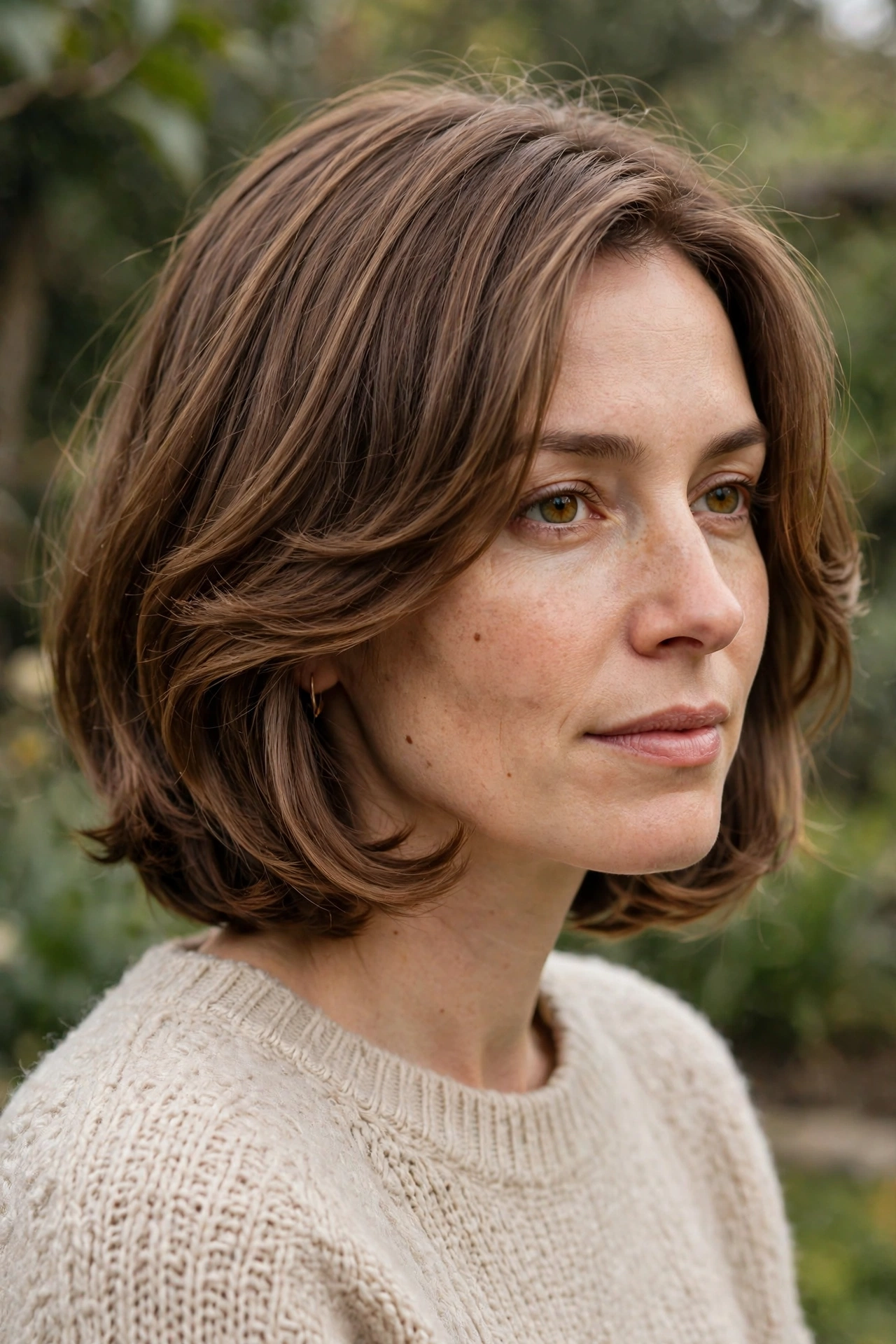
The French tucked bob is shorter, chicer, and a little undone: typically jaw-length or just above, with a soft tuck and an air of not trying too hard. It suits oval, heart, and small, delicate faces, and it works beautifully on fine to medium hair with a slight natural wave. Thick, very straight hair can look too heavy in this length unless the stylist removes weight underneath.
This is a low-effort style once the cut is right, but the cut itself must be precise, so choose a stylist who is confident with short, Parisian-style bobs. A little texture cream scrunched through damp hair, then air-drying or a rough blow-dry, is often all it needs. Ask for a French bob with tucked ends and soft, lived-in texture, and keep the length above the jaw if you want the true French feel.
12. Bent Bob with Face-Framing Layers
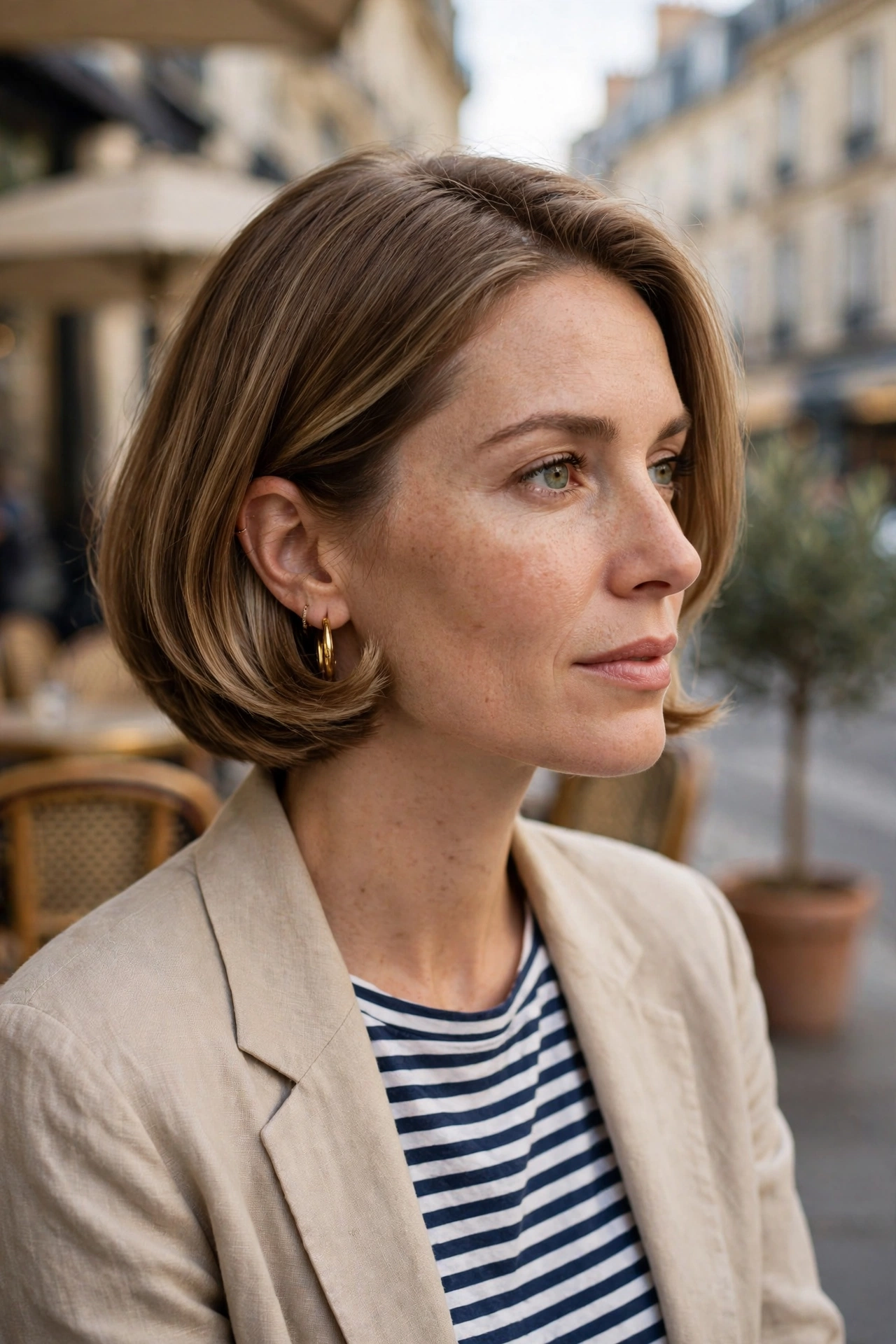
Face-framing layers are shorter pieces around the face that bend inward and draw attention to the cheekbones and eyes, while the rest of the bob tucks under neatly. This suits square, round, and long faces, because the framing pieces break up a strong jaw or add width where the face is narrow. It works on straight and wavy hair of medium density, and it is a good choice if you want a bob that still feels soft around the face.
Maintenance is medium: the framing layers need shaping at each trim, and they look best when blow-dried inward with a round brush. Ask for face-framing layers starting at the cheekbones, blended into a bent bob with tucked ends, and show your stylist where you want the shortest piece to sit — cheekbone, jaw, or somewhere in between makes a real difference.

13. Voluminous Tucked Bob
This is the blowout version of the tucked bob: big roots, a full rounded shape, and ends tucked under with real bounce. It suits oval, long, and heart-shaped faces, and it is easiest on medium to thick hair, which holds volume naturally. Fine hair can still wear it, but you will need root-lifting spray, a round brush, and possibly a few velcro rollers while the hair cools.
Maintenance is medium to high, because volume takes time each morning, though the shape itself lasts well between trims. Blow-dry in sections with a large round brush, lifting at the roots and tucking the ends under, then let the hair cool before brushing through. Ask for a voluminous bob with layers at the crown and tucked ends, and tell your stylist you want bounce, not a flat polished finish.
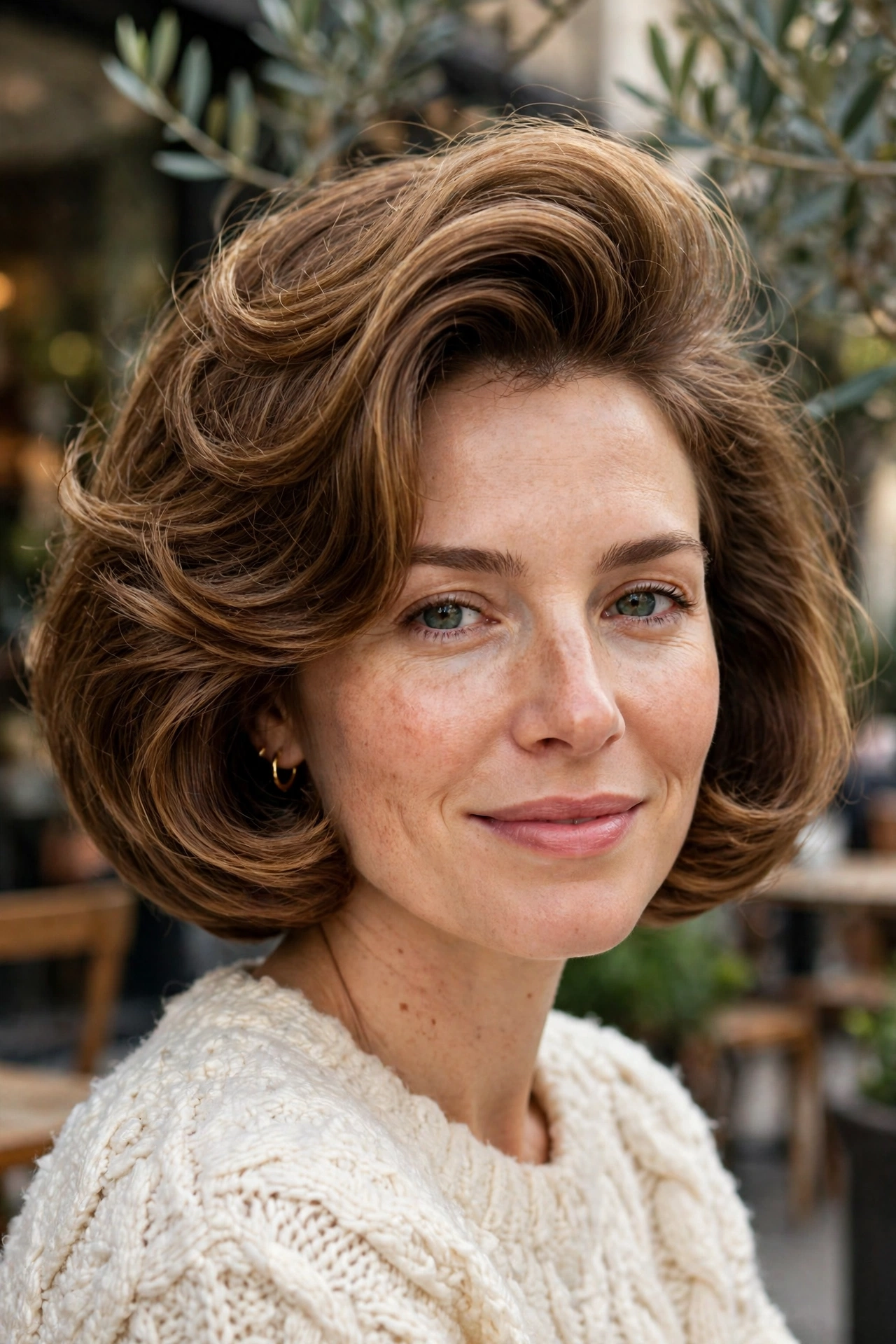
14. Bent Bob for Thick Hair
Thick hair can make a bob look like a triangle if the weight is not handled, so this version is built around internal weight removal: the outside keeps its bent, tucked shape, while invisible layers underneath stop the sides puffing out. It suits most face shapes, but it is especially useful for round and square faces, where extra width at the sides is the last thing you want. This is, by definition, a cut for thick, dense hair.
Maintenance is medium. You will still need regular trims, but the cut does much of the work, and a smoothing cream helps keep the surface sleek. At the salon, be explicit: ask for a bent bob with internal layers or undercut weight removal, tucked ends, and no thinning at the perimeter, so the outline stays full while the bulk disappears.

15. Fine Hair Tucked Bob
Fine hair loves a tucked bob, because tucking the ends under makes the perimeter look twice as thick. This version keeps the length at or just below the chin, keeps the outline solid, and avoids heavy layering that would thin the ends further. It suits oval, heart, and long faces, and it is designed for fine, low-density hair that struggles to hold volume in longer styles.
Upkeep is low to medium, and the styling is simple: a volumising mousse at the roots, a round-brush blow-dry with the ends tucked under, and you are done. Ask for a one-length tucked bob with a bevelled under-curve and minimal layers, and resist the urge to ask for thinning — on fine hair, a solid edge is what creates the illusion of thickness.
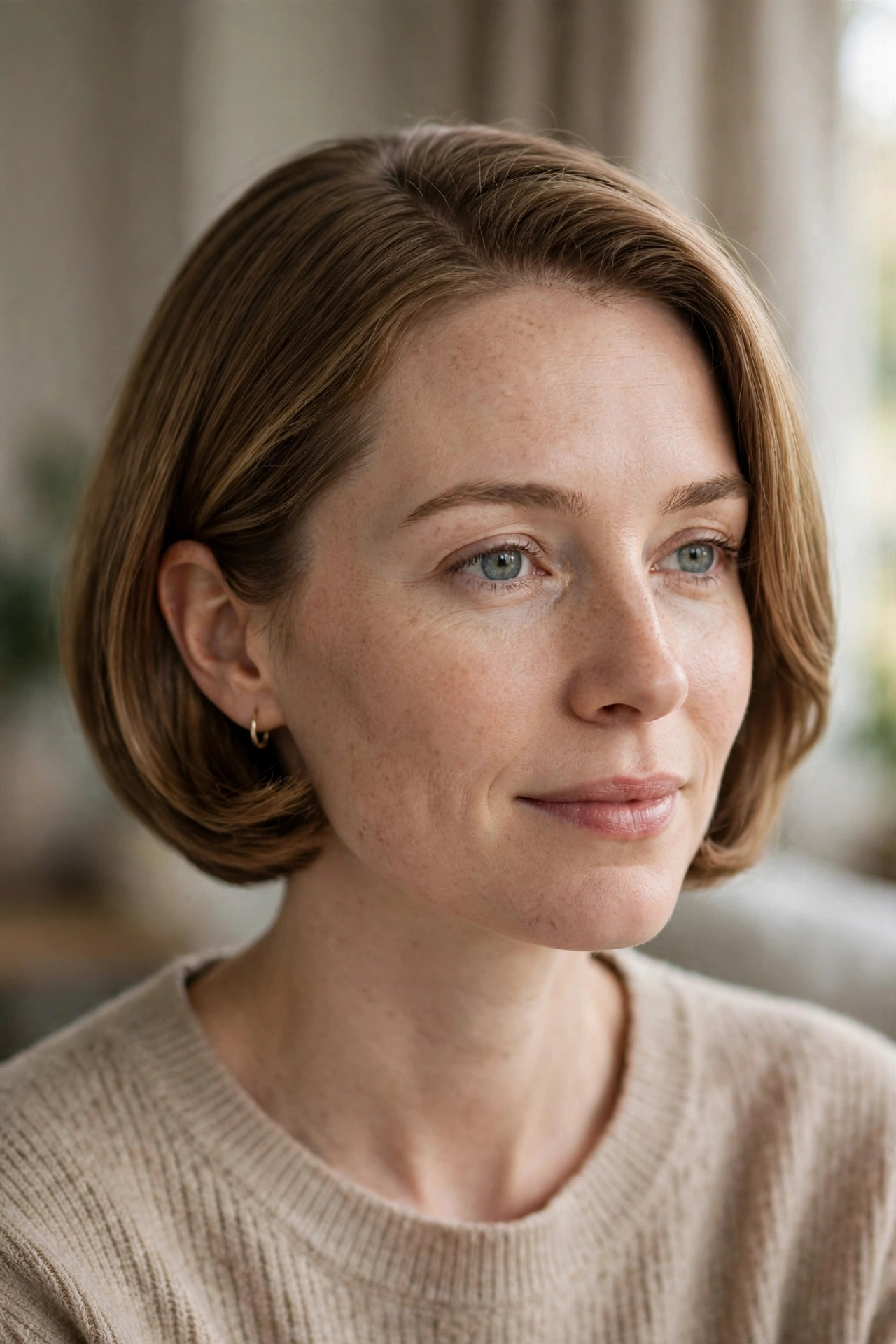
16. Curly Bent Bob
A curly bent bob is shaped, not straightened: the curls are cut into a rounded bob silhouette, and the natural bend of each curl does the work that a brush does on straight hair. It suits oval, round, and heart-shaped faces, and it is made for naturally curly and coily hair types. The key is a stylist who cuts curls dry or in their natural state, because curly hair shrinks and springs up once dry, and a wet cut can end up far shorter than planned.
Maintenance is medium, centred on moisture: curl cream, a diffuser, and regular deep conditioning keep the shape soft rather than frizzy. Ask for a curly bob cut to your curl pattern with a rounded, bent shape, and discuss shrinkage openly — bring a photo of the dry length you want, not the wet length.

17. Wavy Tucked Bob
The wavy tucked bob lets natural waves show through the lengths, then tucks the ends under so the finish still looks deliberate rather than windswept. It suits oval, long, and square faces, and it is ideal for naturally wavy hair of medium density. Straight hair can wear it with a wave spray and a large iron, but it will need more daily effort than it takes on wavy hair.
This is a low-maintenance, forgiving cut that grows out gracefully. Scrunch in a wave-enhancing cream, diffuse or air-dry, then bend just the ends under with a brush or iron if they flare. Ask for a wavy bob with light layers and tucked-under ends, and make clear you want the wave kept, not blow-dried out.

18. Bent Bob with Blunt Bangs
Blunt bangs plus a bent bob is a bold, graphic combination: a straight, full fringe across the forehead, with the bob bending softly under the jaw. It suits oval and long faces best, because the fringe shortens the forehead visually, and it works on straight, medium-density hair where the fringe can sit cleanly. Very curly hair or a very round face can find a blunt fringe heavy, so consider a slightly longer, softer version if either applies.
Maintenance is higher, because blunt bangs need trimming every three to four weeks to stay sharp. Blow-dry the fringe straight down with a paddle brush, then bend the bob ends under. Ask for blunt bangs cut just above or at the brows, paired with a bent bob, and be honest about whether you will style the fringe daily — this look depends on it.

19. Asymmetric Bent Bob
In an asymmetric bent bob, one side is noticeably longer than the other, and both sides bend under, so the asymmetry reads as deliberate rather than accidental. It suits oval, heart, and square faces, and it adds edge to straight and slightly wavy hair of medium density. The difference in length can be subtle — just an inch — or dramatic, with one side grazing the shoulder and the other at the chin, depending on how bold you want to go.
Upkeep is medium, and trims matter more here because uneven growth is more visible in an asymmetric cut. Style each side with the ends bent under, and check the shape from the front, not just the side. Ask for an asymmetric bob with tucked ends and state the exact length difference you want, ideally with a photo, because "a bit longer on one side" means different things to different stylists.

20. Tucked Bob with Undercut Nape
This is a clever hidden-detail cut: the nape underneath is tapered very short, while the top layers fall over it in a sleek tucked bob, so the undercut only shows when the hair moves or is lifted. It suits oval and long faces, and it is a practical choice for thick hair in warm weather, because removing the nape bulk makes the bob lighter and cooler. It also helps the tucked shape sit closer to the neck instead of kicking out.
Maintenance is medium to high, because the tapered nape grows out faster than the bob and needs tidying every four to five weeks. Style the top as a normal tucked bob, smoothing the ends under. Ask for a tucked bob with a tapered or undercut nape hidden beneath, and agree how short the nape should be before the clippers come out.
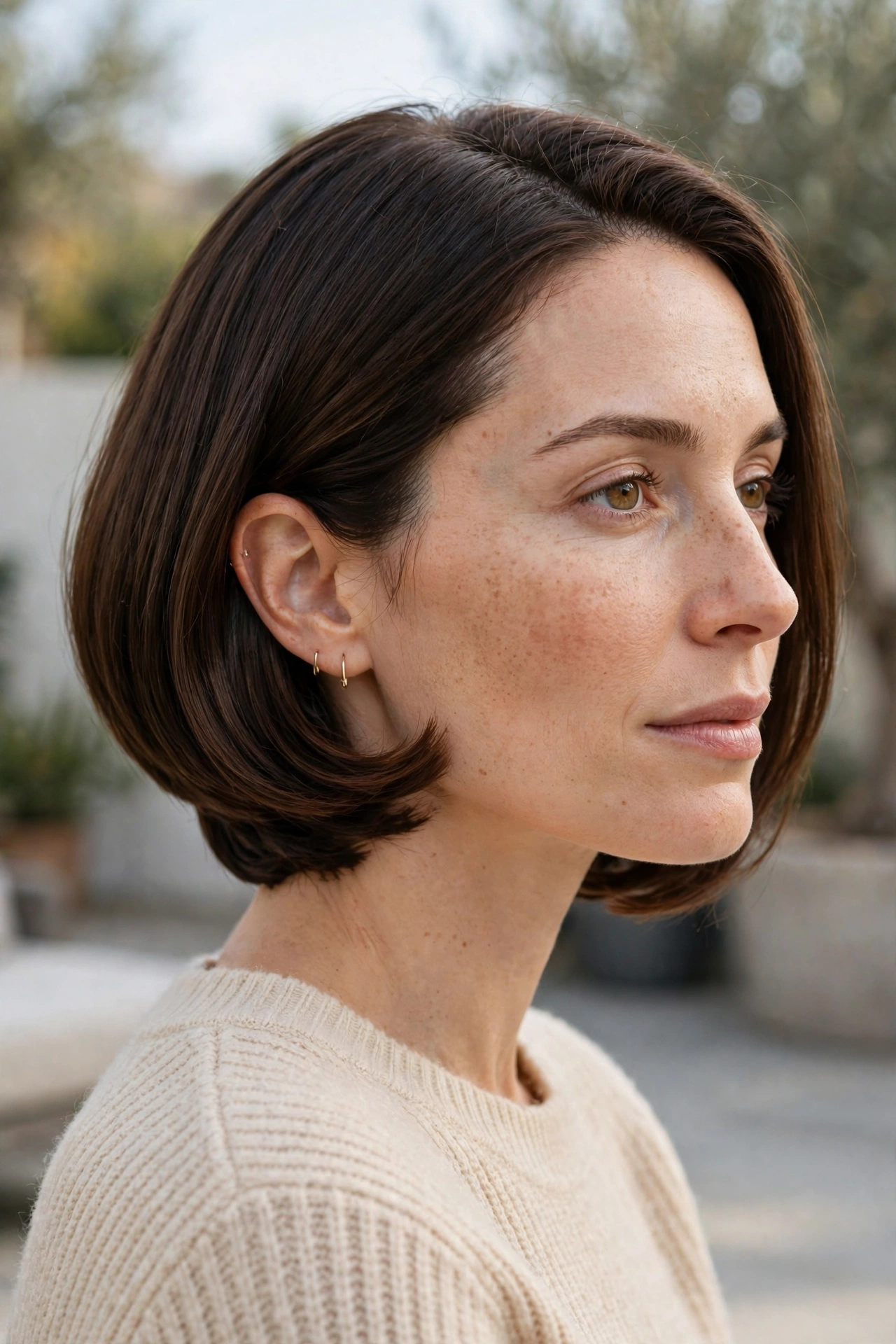
21. Bent Bob with Highlights
Highlights transform a bent bob by showing off every bend: lighter pieces catch the light where the hair turns, so the shape looks more dimensional than a single flat colour. This suits every face shape, because the cut itself does not change — only the colour placement — and it works on medium to thick hair where there is enough hair for the highlights to show. Fine hair can still wear it, but keep the highlights fine and blended so they do not make the hair look thinner.
Maintenance is medium to high, because highlights need refreshing every eight to twelve weeks and toning in between to avoid brassiness. Style as you would any bent bob, bending the ends under. At the salon, ask for soft, face-framing highlights through a bent bob, and discuss whether you want a subtle sun-kissed effect or stronger contrast — the same cut looks completely different under each option.

22. Copper Tucked Bob
A copper tucked bob pairs the sleek, tucked shape with a rich, warm copper colour, and the combination is striking because the smooth finish shows the colour off so evenly. It suits fair to medium skin tones with warm undertones best, though deeper copper shades work on a wider range of complexions, and it flatters oval and heart-shaped faces. The cut itself works on straight to wavy, medium-density hair.
Colour maintenance is the main commitment here: copper fades faster than most shades, so expect a gloss or refresh every six to eight weeks, plus colour-safe shampoo at home. The cut needs a trim every six to eight weeks as well, so the two appointments can often be combined. Ask for a tucked bob with bevelled ends and a copper shade chosen against your skin tone, not just from a photo — copper that is too orange for your complexion will fight the whole look.

23. Bent Bob with Middle Part
A centre part gives a bent bob perfect symmetry: the hair falls evenly on both sides, and the bends mirror each other for a calm, balanced finish. It suits oval, heart, and long faces especially well, because symmetry emphasises balanced features, while round faces may prefer a slightly off-centre part to avoid emphasising width. It works on straight and wavy hair of medium density.
Maintenance is low. The centre part is easy to recreate — just comb the hair back from the forehead and let it fall — and the bends need only a quick pass with a brush or iron. Ask for a bent bob cut and checked with a middle part, because a bob cut for a side part can sit unevenly when worn centrally, and vice versa.

24. Shaggy Bent Bob
The shaggy bent bob brings rock-and-roll texture to the tucked family: choppy layers, a bit of mess, and ends that bend rather than sitting in a perfect curve. It suits oval, long, and heart-shaped faces, and it is wonderful for thick, wavy hair that would otherwise look too neat or heavy in a classic bob. Fine hair can wear a softer version, but keep the layers long or the shape will collapse.
This is one of the lowest-maintenance bobs here, because the mess is the point — bedhead texture is a feature, not a flaw. Scrunch in texture spray and leave it, bending the ends under loosely if they flare. Ask for a shaggy bob with choppy layers and soft bent ends, and tell your stylist you want it to look lived-in, not polished.
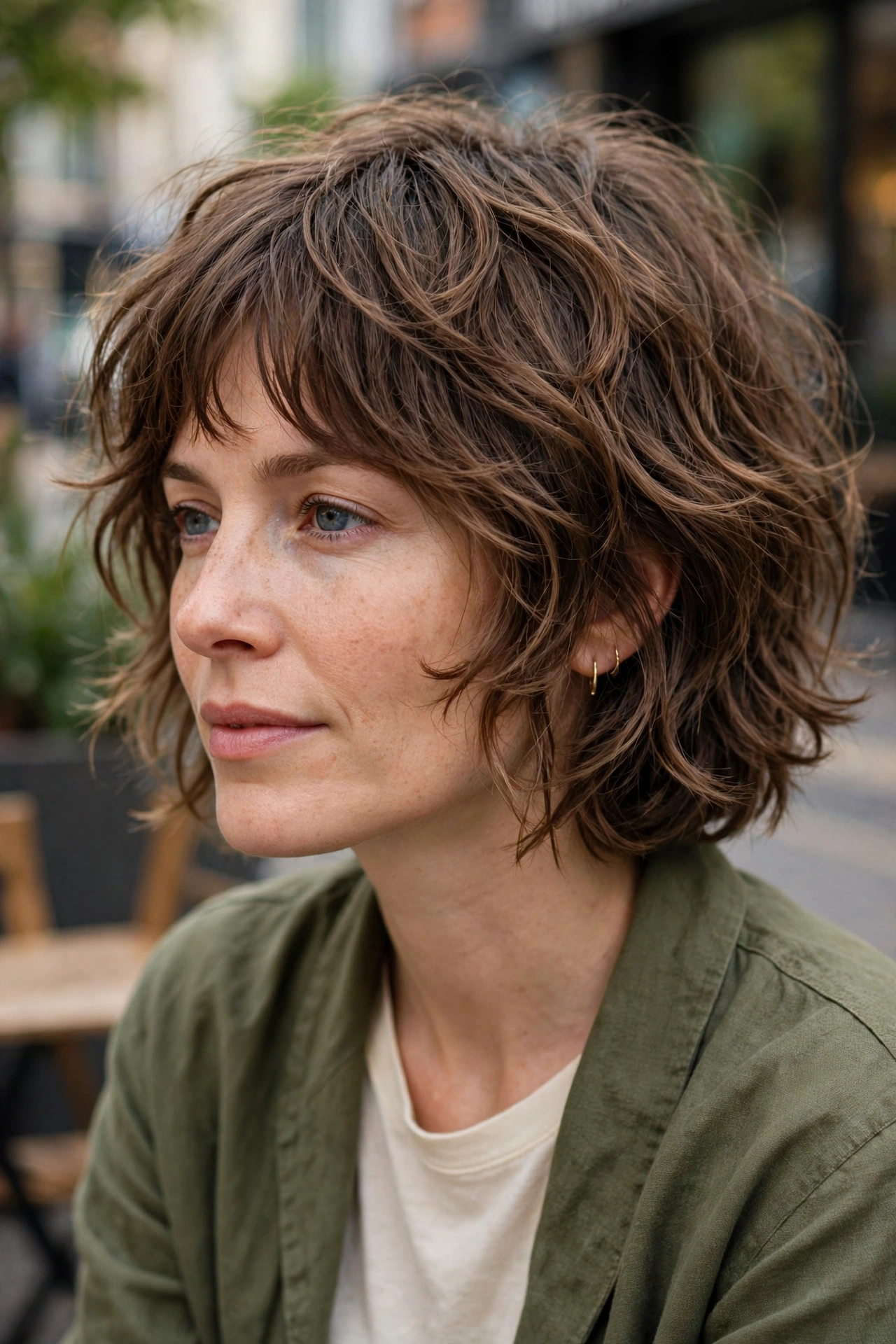
25. Polished Tucked Bob for Work
This is the boardroom version: neat, smooth, tucked under, and guaranteed to still look tidy at five in the afternoon. It suits oval, square, and heart-shaped faces, and it works on straight, medium-density hair that can hold a smooth blow-dry. If your hair is very curly or frizzy, you can still wear it, but be realistic about the daily straightening time involved.
Maintenance is medium, and the investment is in the morning routine rather than the cut: a smooth blow-dry, a light-hold hairspray, and a quick ends check before you leave. Ask for a polished tucked bob with a clean outline and bevelled ends, at a length that stays neat behind the ears or tucked behind them, depending on your workplace dress code and personal preference.

26. Bent Bob with Feathered Ends
Feathered ends are the softest way to finish a bent bob: the last inch or two is cut in fine, feathered pieces that bend inward lightly, so the outline looks airy instead of solid. This suits round, square, and heart-shaped faces, because the feathering softens a strong jaw or a wide cheek, and it works on medium to thick hair, where there is enough hair to feather without thinning the shape. Very fine hair should feather only lightly, or the ends will disappear.
Upkeep is low to medium. The feathered finish hides growth well, so trims can stretch to eight weeks, and styling is a quick round-brush bend. Ask for a bent bob with feathered, point-cut ends, and make clear you want softness, not a blunt edge — the two finishes are opposites, and a stylist needs to know which one you mean.
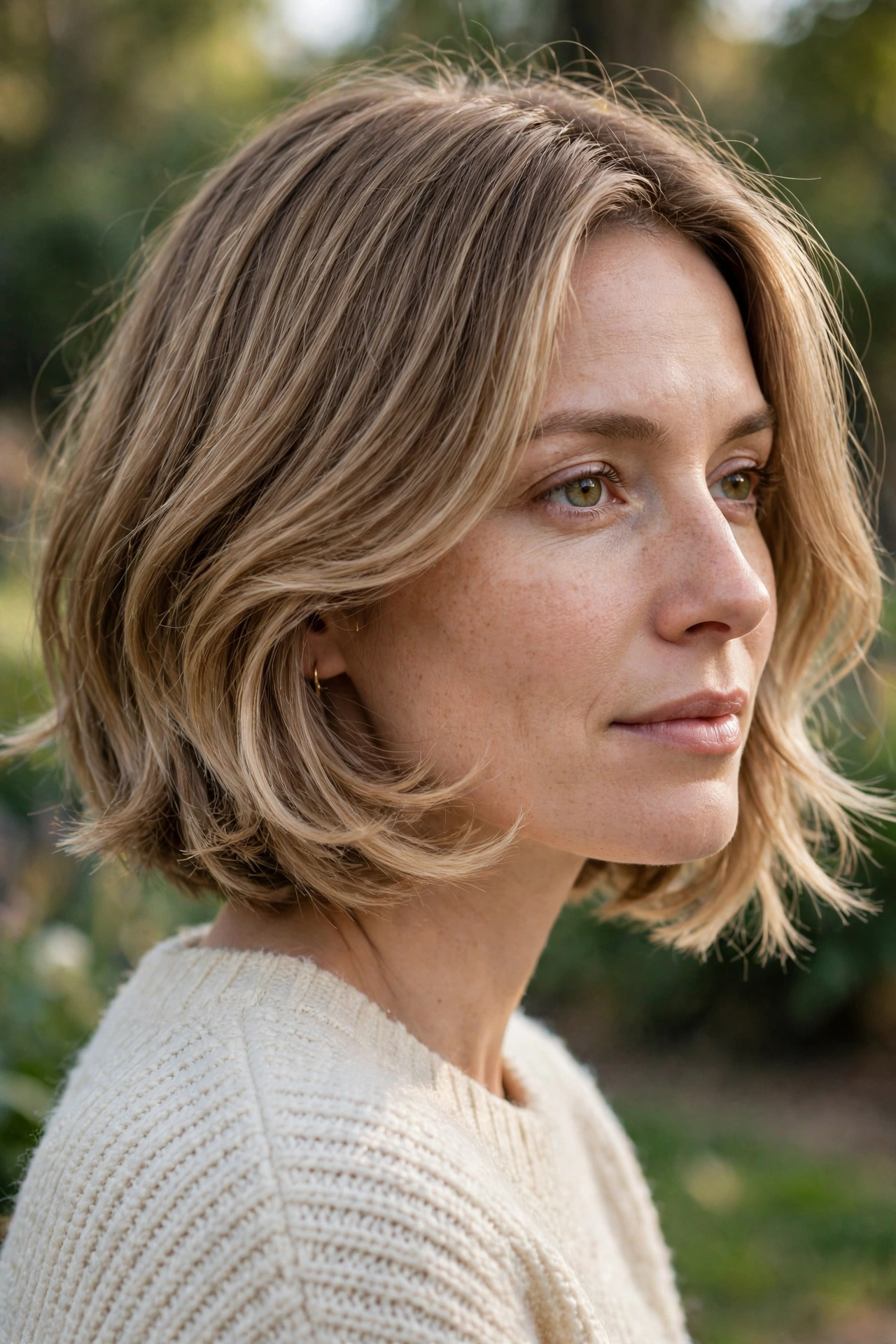
27. Tucked Bob with Deep Side Sweep
A deep side sweep takes a long, sweeping fringe across the forehead and pairs it with a tucked bob, creating a glamorous, slightly retro feel. It suits round, square, and long faces, because the diagonal line of the sweep breaks up the face and adds movement. It works on straight and wavy hair of medium to thick density, where the sweep has enough weight to stay in place.
Maintenance is medium, since the sweep needs blow-drying into place each day and a little product to stop it falling into the eyes. Blow-dry the fringe across the forehead with a round brush, then tuck the bob ends under. Ask for a deep side-swept fringe blended into a tucked bob, and specify how long you want the sweep — cheekbone length is the classic, but longer sweeps that reach the jaw are also popular.

28. Bent Bob for Round Faces
This version is designed around one rule: keep the length below the chin and let the bends fall past the widest part of the face, so the face looks longer rather than wider. It suits round faces first and foremost, and it also works for anyone with full cheeks who wants a slimming effect. Straight and wavy hair of medium density hold the shape best, and a side part or a few face-framing layers help the lengthening effect further.
Maintenance is low to medium, and the main thing to watch is length: once the bob creeps up to chin level as it grows, the slimming effect weakens, so book trims every six weeks. Ask for a bent bob that sits just below the chin with soft bends, and tell your stylist your goal is to lengthen the face — that one sentence will guide their choices on length, parting, and layering.
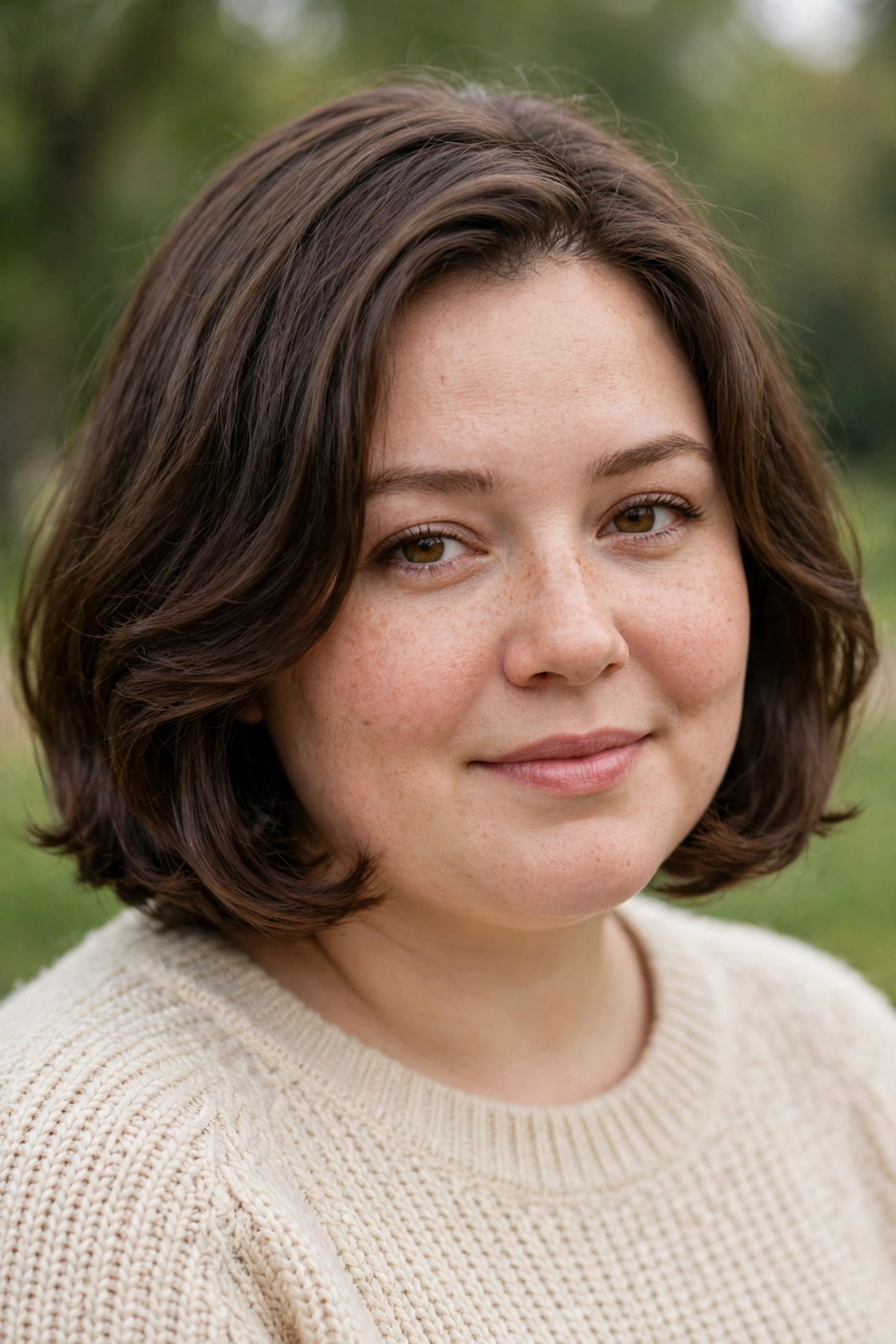
29. Long Bent Bob (Lob)
The long bent bob, or lob, is the safety net for anyone nervous about going short: it grazes the shoulders, bends softly through the lengths, and tucks under just enough to stop the ends flicking out. It suits every face shape, which is part of its popularity, and it works on straight, wavy, and curly hair, as well as fine, medium, and thick densities — the lob is genuinely the most versatile length in this guide.
Maintenance is low. The extra length means growth is less noticeable, so trims every eight to ten weeks are usually fine, and the style can be worn air-dried, blow-dried, or loosely waved. Ask for a lob with soft bends and tucked-under ends, and decide with your stylist whether the length should sit on the collarbone or just above the shoulders, since that small difference changes how the tuck behaves.
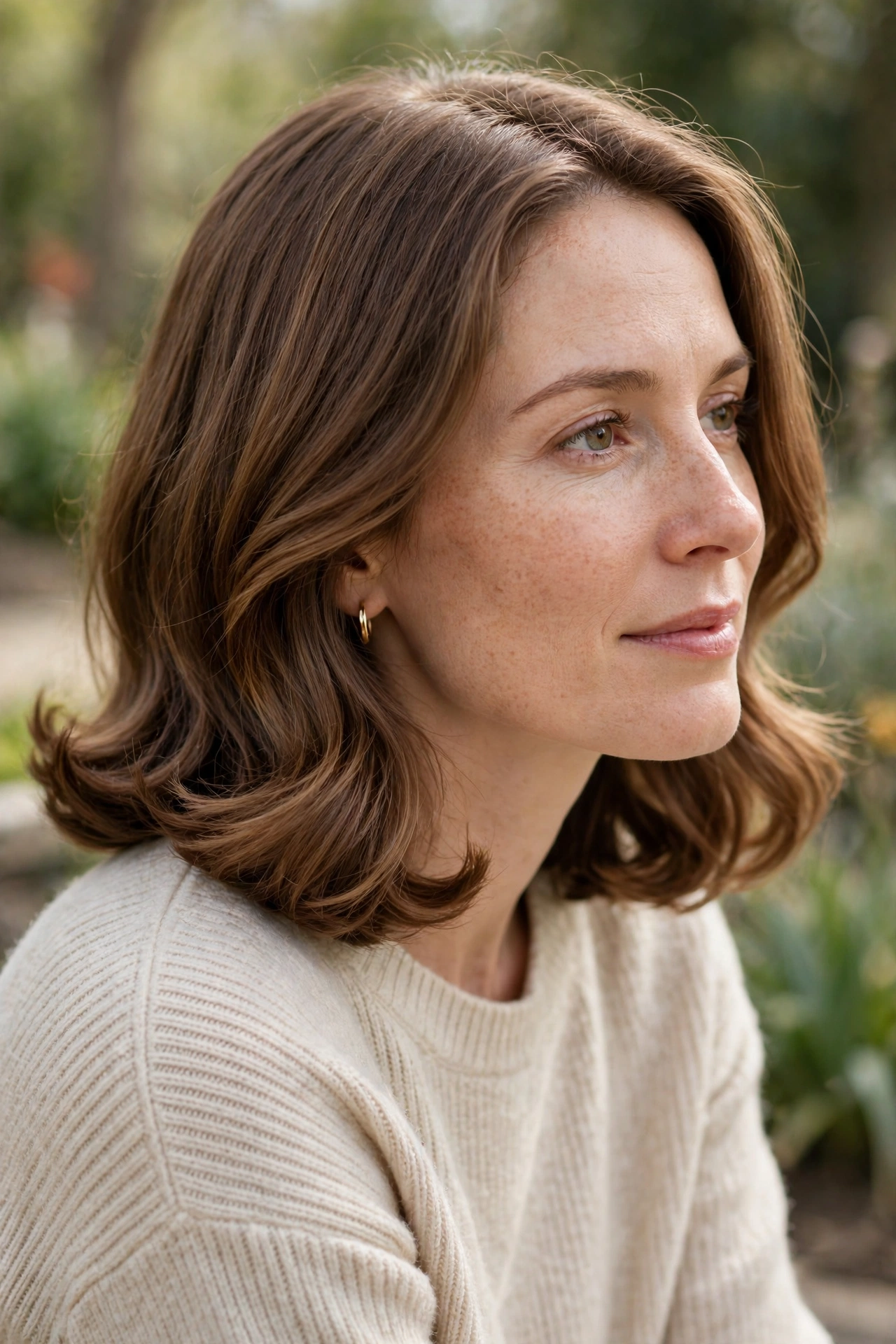
30. Short Tucked Pixie Bob
Half pixie, half bob, this cut is cropped above the jaw with the top layers long enough to tuck and bend, giving a bold but still feminine shape. It suits oval, heart, and petite faces, and it works on fine to medium hair, where the short length creates the illusion of fullness. Very thick hair needs careful weight removal, or the short shape can puff out instead of tucking in.
Maintenance is high in one specific way: short cuts lose their shape quickly, so trims every four to five weeks are essential, even though daily styling is fast. A little pomade or texture cream and a quick finger-style is often enough. Ask for a pixie bob with tucked, bent ends, and be clear about how short you are willing to go at the nape and around the ears — those are the areas where a pixie bob feels most different from a regular bob.

31. Bent Bob with Balayage
Balayage gives a bent bob a sun-kissed gradient: darker roots melting into lighter ends, so the bends and the tuck show off the colour change. It suits every face shape, and it works on medium to thick hair, where the gradient has room to develop. On very short bobs the gradient is compressed, so ask for a softer, more blended balayage rather than a dramatic light-to-dark contrast that needs length to look natural.
Maintenance is lower than traditional highlights, because the soft root means regrowth is less obvious, with refreshes every twelve to sixteen weeks. Style the bob with the ends bent under to show the lighter tips. Ask for balayage through a bent bob with the lightest pieces framing the face and at the tucked ends, and bring a photo of the exact lightness you want at the tips.

32. Tucked Bob with Glossy Finish
The glossy finish version is about shine as much as shape: a smooth tucked bob polished to a high, healthy-looking shine. It suits oval and heart-shaped faces, and it looks best on straight, medium-density hair in good condition, because shine shows every split end and rough patch. If your hair is damaged, a gloss treatment or a good conditioning routine should come before this cut, or the finish will disappoint.
Maintenance is medium to high, because the gloss needs upkeep: shine serum, a smoothing blow-dry, and regular trims to keep the ends healthy. A salon gloss treatment every six to eight weeks can boost the effect. Ask for a tucked bob with bevelled ends and a glossy, smooth finish, and mention if you want a clear gloss treatment added at the appointment — it is often a quick, worthwhile extra.
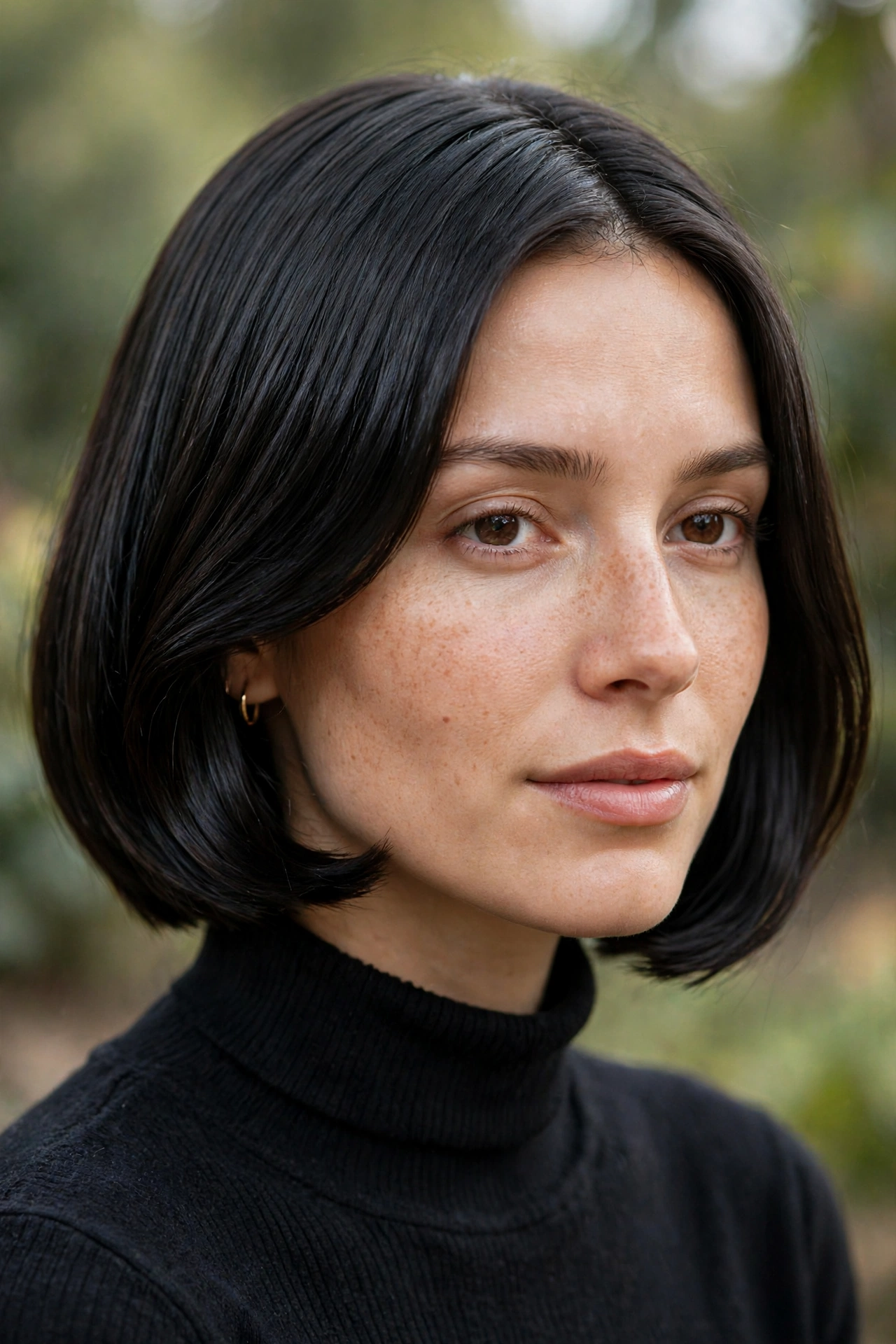
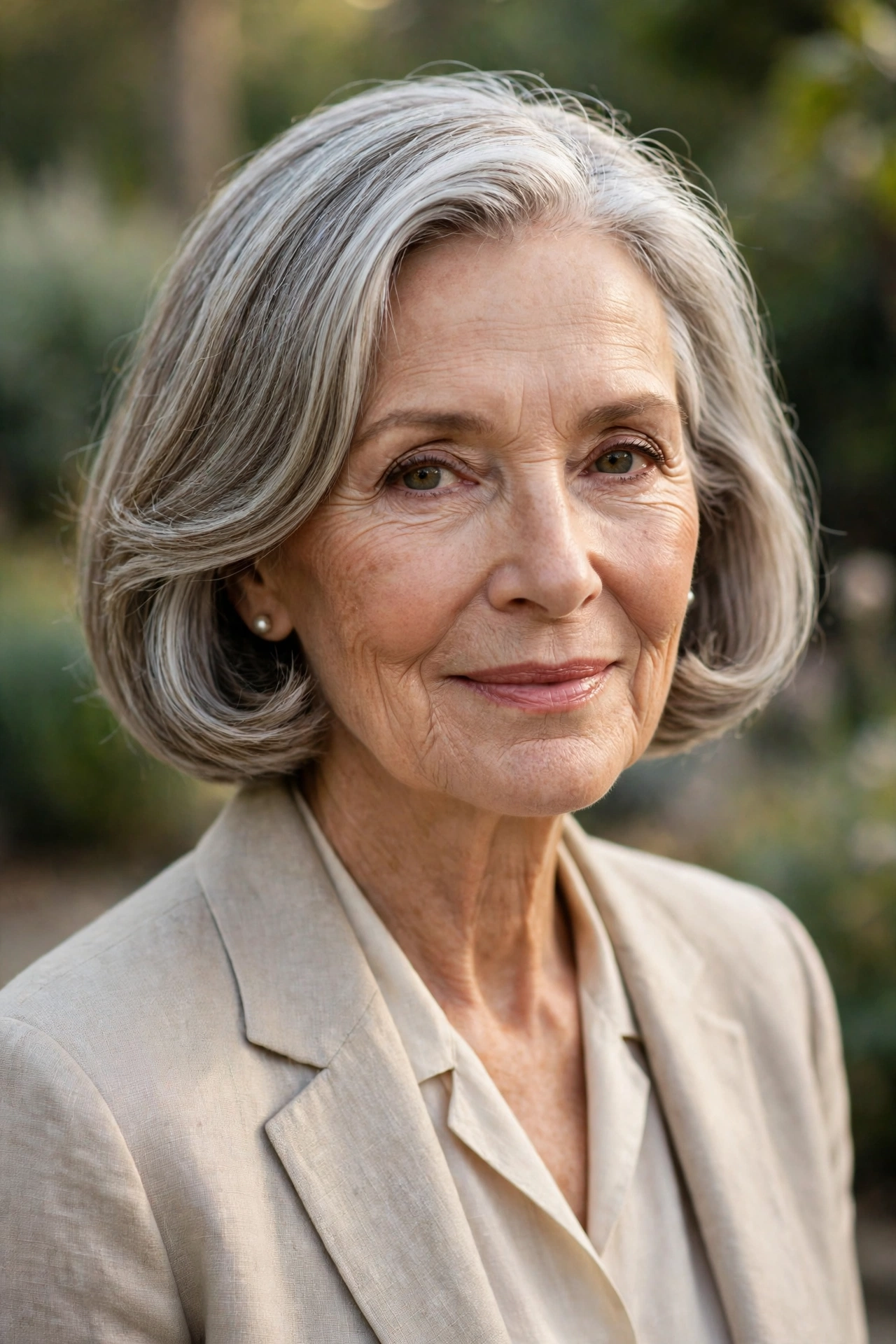
33. Elegant Bent Bob for Mature Hair
This version is tailored for mature hair: a graceful, jaw-length bent bob that works with grey, silver, or thinning hair rather than against it. It suits oval, heart, and long faces, and it is designed for hair that may be finer or drier than it once was, so the cut keeps weight at the ends and avoids harsh thinning. Silver and grey tones look particularly beautiful in this shape, because the soft bend catches the light.
Maintenance is low to medium, with trims every six to eight weeks and a focus on conditioning — a good mask once a week keeps mature hair soft enough to bend without breaking. Ask for an elegant bent bob with tucked ends, kept at a length that flatters your neck and jaw, and discuss colour openly if you are growing out grey, since the cut and the colour transition should be planned together.
34. Tucked Bob with Curls Under
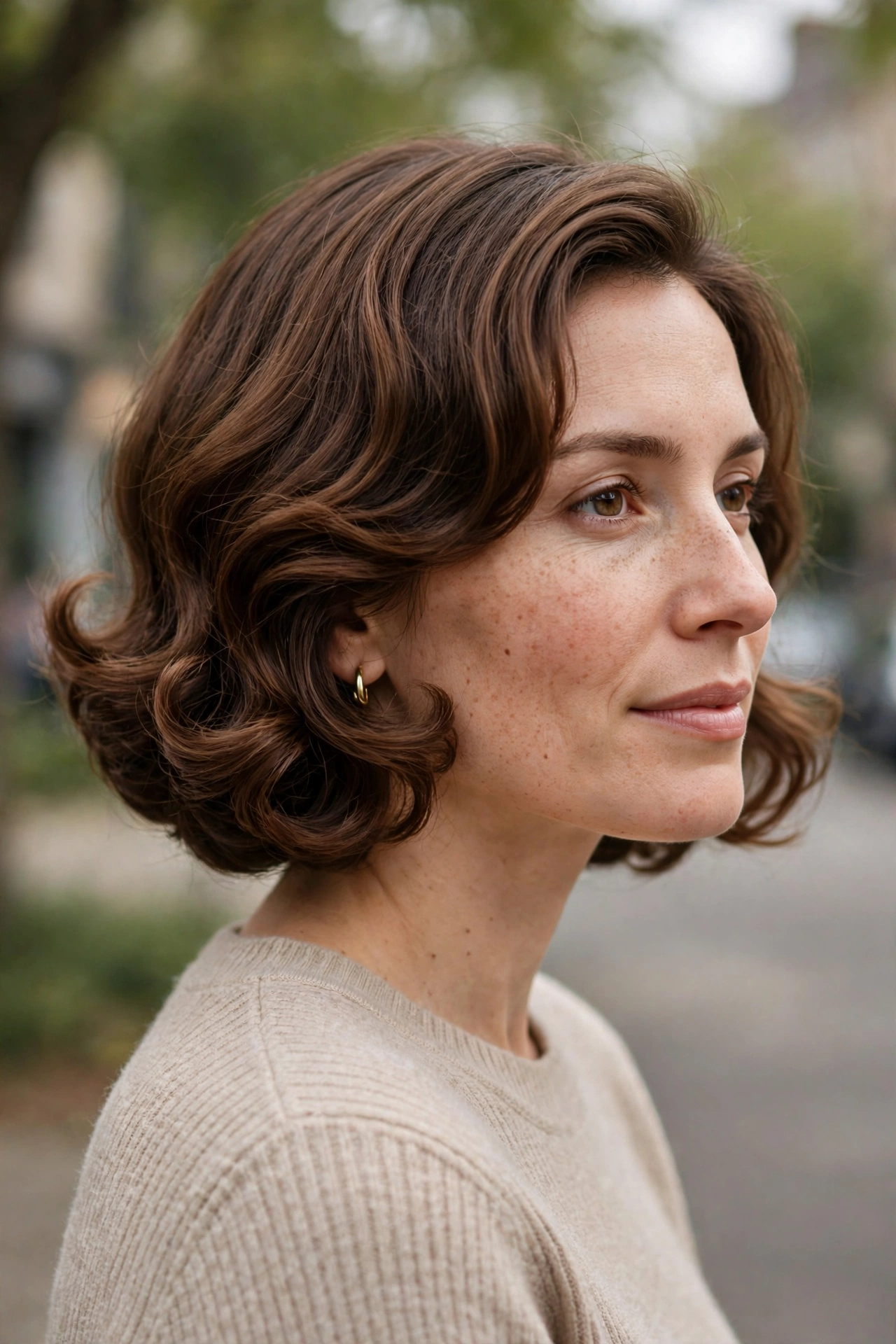
Here the tuck becomes a curl: the ends are curled firmly under with a brush or iron, creating a bouncy, rounded under-curl that is more pronounced than a soft bevel. It suits oval, round, and heart-shaped faces, and it works on straight to wavy, medium-density hair that holds a curl. Very fine hair can struggle to hold the curl all day, so a light-hold spray is essential.
Maintenance is medium, because the under-curl needs recreating each morning, though the technique is simple once practised: wrap each section under around a round brush, hold for a few seconds, and release. Ask for a tucked bob with ends curled under, and practise the blow-dry with your stylist if you can — watching it done once is worth more than any written instruction.
35. Air-Dried Bent Bob
The air-dried bent bob is for people who do not want a styling routine: the cut is shaped so that, as the hair dries naturally, it falls into soft bends with the ends tucking in on their own. It suits oval, long, and heart-shaped faces, and it works best on hair with a slight natural wave or bend already — truly pin-straight hair will dry straight, not bent, so this version depends on your natural texture more than any other in this list.
Maintenance is the lowest here: wash, add a little leave-in cream, and let it dry. Trims every eight weeks keep the shape. Ask for a bent bob cut to your natural texture with tucked ends, and be honest with your stylist about how you actually dry your hair — a cut designed for air-drying is different from one designed for blow-drying, and they need to know which one you will do.

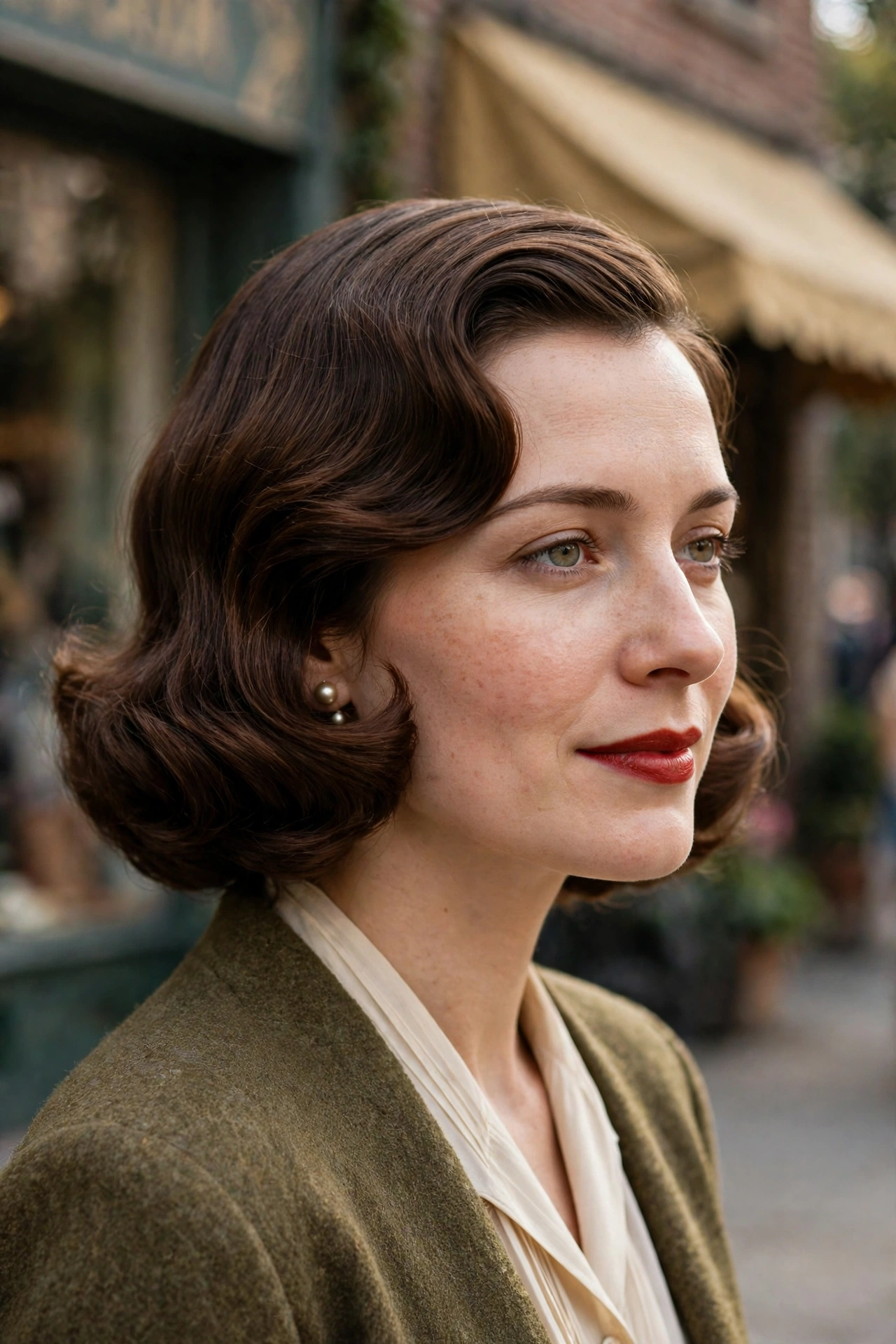
36. Vintage Bent Bob
The vintage bent bob borrows from classic Hollywood: a smooth, sculpted bend, ends tucked under in a perfect curve, and a polished, almost sculptural silhouette. It suits oval, heart, and square faces, and it works on straight, medium-density hair that can be set smoothly. This is a special-occasion-friendly version, though it can be worn daily if you enjoy a more put-together look.
Maintenance is medium to high, because the sculpted finish takes time: a blow-dry with a round brush, or rollers left in while you get ready, followed by a soft-hold spray. Ask for a vintage-style bent bob with a strong bevel under and a smooth, sculpted finish, and consider whether you want a side part, which completes the vintage feel more than a centre part does.
37. Choppy Layered Bent Bob
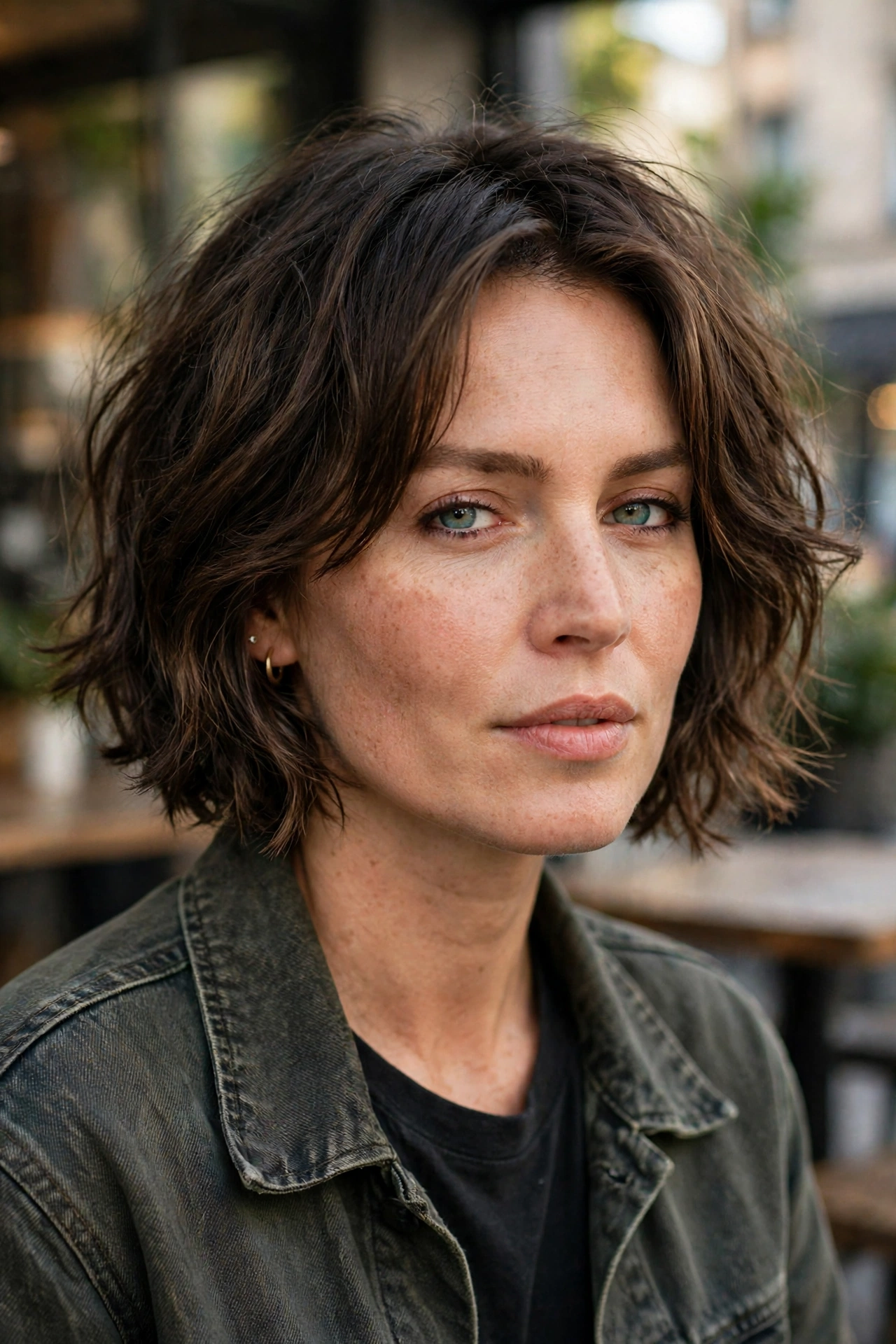
Choppy layers give a bent bob attitude: short, visible layers through the lengths that bend in different directions, creating texture and edge. It suits oval, long, and heart-shaped faces, and it works on medium to thick hair, where the choppy pieces have enough body to stand out. Fine hair can wear a gentler version, but true choppiness needs density to avoid looking thin.
Maintenance is low to medium, and the choppy texture hides growth well, so trims every eight weeks are fine. Style with texture spray and a quick bend of the ends under, letting the layers fall where they want. Ask for a choppy layered bob with bent ends, and tell your stylist how edgy you want it — "softly choppy" and "heavily choppy" are very different haircuts.
38. Sleek Glass Tucked Bob
The sleek glass tucked bob is the smoothest finish in this guide: hair so smooth and shiny it looks almost like glass, with the ends tucked under in one flawless curve. It suits oval and heart-shaped faces, and it works on straight, healthy, medium-density hair — the glass effect depends on the hair surface being smooth, so frizz and damage will break the illusion. A keratin or smoothing treatment can help if your hair is naturally wavy, but weigh the upkeep before committing.
Maintenance is high, because glass hair needs a full smoothing routine: a sleek blow-dry, a flat iron over the lengths, and a shine serum or spray to finish, plus trims every six weeks to keep the ends pristine. Ask for a sleek tucked bob with a glass-like smooth finish and bevelled ends, and ask your stylist to show you the exact iron technique, because the finish is in the styling as much as in the cut.
Frequently Asked Questions
What is the difference between a bent bob and a tucked bob?
A bent bob has soft bends through the lengths, so the hair is neither straight nor curled, while a tucked bob specifically has the ends bevelled and tucked under to create a smooth, rounded silhouette. Many of the styles in this guide combine both ideas, with bends through the lengths and a tuck at the very ends.
How do I ask my stylist for a bent or tucked bob?
Bring a photo of the exact version you want, state the length in relation to your chin or jaw, and use the words "bent" or "tucked under" rather than just "bob", because a plain bob can be cut straight. Also mention your parting, your daily styling routine, and whether you want layers, so the cut is designed for how you will actually wear it.
How often should I trim a bent or tucked bob?
Most bent and tucked bobs need a trim every six to eight weeks to keep the bevel and the shape crisp. Shorter versions, such as chin-length or pixie bobs, need trimming every four to six weeks, while longer lobs can usually stretch to eight to ten weeks.
Can I style a tucked bob at home without a salon blow-dry?
Yes. The easiest home method is to rough-dry your hair, then bend the ends under with a large round brush, or pass a flat iron lightly over the last inch or two, turning it inward. A smoothing cream or light-hold spray helps the tuck last, and with practice the whole routine takes under ten minutes.
Which face shape suits a tucked bob best?
Tucked bobs suit most face shapes, but the length and parting should be adjusted: oval and heart-shaped faces suit most lengths, round faces benefit from a length below the chin, square faces are softened by face-framing layers, and long faces suit volume at the sides. Your stylist can fine-tune the version to your features.
Conclusion
Bent and tucked bobs work because they are polished without being stiff, and with 38 variations to choose from, there is a version for every face shape, hair type, and morning routine. Pick the one that matches how you actually live and style your hair, take its description to your stylist, and enjoy a bob that looks finished from every angle.